How to Protect Exterior Foundation Walls From Water
Think waterproofing is only needed when you see water? Learn why this belief can lead to costly damage. Discover how proactive measures protect your GTA home from hidden moisture issues.
A wet basement is one of the most frustrating problems for homeowners in Hamilton. It often starts with a small damp spot, a musty smell, or a tiny crack in the wall. Before long, the problem becomes much bigger. Water can damage drywall, flooring, furniture, and even the foundation of your home.
Many homeowners try to fix the issue themselves because it seems like the cheaper option. Others prefer to call a waterproofing company and deal with the problem properly from the beginning. The right choice depends on the source of the leak and how serious the damage is.
This guide breaks down the difference between DIY and professional basement waterproofing in Hamilton so you can make an informed decision.
Hamilton experiences heavy rain, snow, and freezing temperatures throughout the year. These weather conditions put extra pressure on foundations.
Some of the most common causes of basement leaks include:
Even a small amount of water entering your basement can lead to mold, unpleasant odours, and expensive repairs if it is ignored.
DIY basement waterproofing usually involves simple repairs that homeowners can do on their own. These projects are often focused on keeping surface water away from the foundation.
Common DIY jobs include:
These steps can help reduce moisture problems, but they do not always solve the real cause of the leak.
The biggest reason homeowners choose DIY waterproofing is cost. Buying a sealant or repairing a minor crack is usually much cheaper than hiring a contractor.
DIY repairs also allow you to:
For a basement that only has occasional dampness, these small improvements may be enough.
Many basement leaks begin outside the foundation where homeowners cannot see the problem. Water may be entering because of damaged drainage pipes, foundation movement, or excessive groundwater pressure.
Applying a waterproof coating on the inside wall may hide the problem for a while, but it usually does not stop water from finding another way in.
DIY waterproofing also comes with risks:
In many cases, homeowners spend money on several temporary fixes before eventually calling a professional.
Professional waterproofing focuses on finding the actual reason water is entering your basement.
A waterproofing contractor inspects the property, checks drainage systems, examines foundation walls, and recommends the most suitable repair.
Companies such as 4 Waterproofing Less provide solutions that are based on the condition of the property rather than offering a one-size-fits-all repair.
Professional services may include:
The goal is not simply to cover the signs of water damage. The goal is to stop water from entering the basement in the first place.
Professional waterproofing offers a long-term solution. Contractors have the experience to identify problems that are easy to miss.
Some benefits include:
Proper Inspection
Experts can determine whether the leak comes from groundwater, poor grading, damaged pipes, or foundation issues.
Better Materials
Professional waterproofing systems are built to handle severe weather and long-term moisture exposure.
Long-Term Protection
A properly waterproofed basement can remain dry for many years.
Warranties
Many waterproofing companies provide warranties on their work, giving homeowners additional peace of mind.
At first glance, DIY waterproofing appears to be the cheaper choice. A few tubes of sealant and some basic materials cost far less than a professional repair.
However, repeated repairs can become expensive.
A basement that floods more than once may require:
New flooring
Drywall replacement
Mold removal
Furniture replacement
Structural repairs
Professional waterproofing may cost more initially, but it often saves homeowners from much larger expenses in the future.
DIY repairs can work in certain situations, such as:
Regular maintenance and early action can prevent these issues from becoming serious.
You should contact a waterproofing specialist if you notice:
These signs usually point to problems that need more than a simple DIY repair.
Professional waterproofing generally falls into two categories.
Interior Waterproofing
This method controls water after it reaches the foundation. It often includes drainage channels, sump pumps, and moisture barriers.
Exterior Waterproofing
This approach stops water before it reaches the basement walls. Contractors excavate around the home, repair foundation damage, and install waterproof membranes and drainage systems.
Both methods are effective when used for the right type of water problem.
Every basement problem is different. A little dampness near a window may need only a simple repair. A leaking foundation or repeated flooding usually requires professional attention.
If you are unsure about the source of the problem, having the basement inspected can prevent unnecessary repairs and help you choose the right solution.
Yes, small moisture problems and drainage issues can often be handled with DIY repairs.
Recurring leaks, standing water, and mold usually indicate a larger problem.
No. Waterproof paint may reduce moisture but rarely fixes the source of water intrusion.
A properly installed waterproofing system can protect a basement for many years.
Small hairline cracks can sometimes be sealed, but leaking or widening cracks should be inspected by a professional.
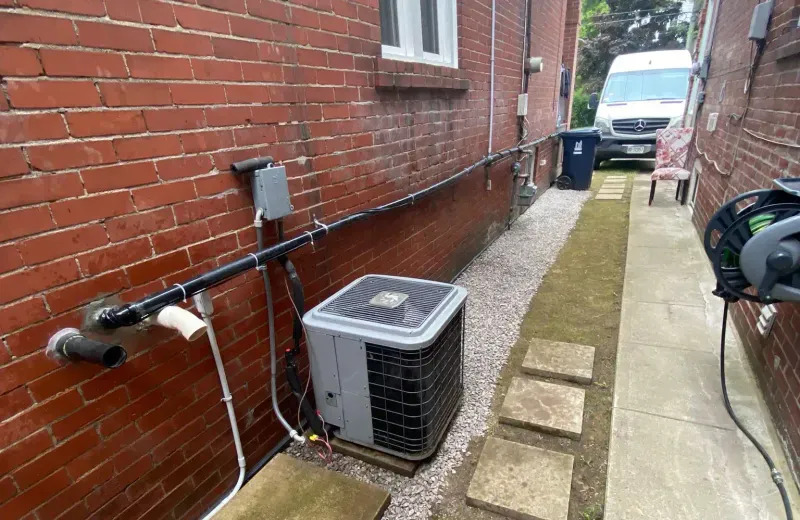


Think waterproofing is only needed when you see water? Learn why this belief can lead to costly damage. Discover how proactive measures protect your GTA home from hidden moisture issues.
Think waterproofing is only needed when you see water? Learn why this belief can lead to costly damage. Discover how proactive measures protect your GTA home from hidden moisture issues.
Think waterproofing is only needed when you see water? Learn why this belief can lead to costly damage. Discover how proactive measures protect your GTA home from hidden moisture issues.