
How to Protect Exterior Foundation Walls From Water
Think waterproofing is only needed when you see water? Learn why this belief can lead to costly damage. Discover how proactive measures protect your GTA home from hidden moisture issues.
A sewer backup can turn a clean basement into a serious mess within minutes. Dirty water may come up through floor drains, toilets, or sinks, leaving behind damaged flooring, wet drywall, bad smells, and expensive repair work. Hamilton homes can face this problem during heavy rain, snowmelt, blocked drains, or pressure inside the city sewer system.
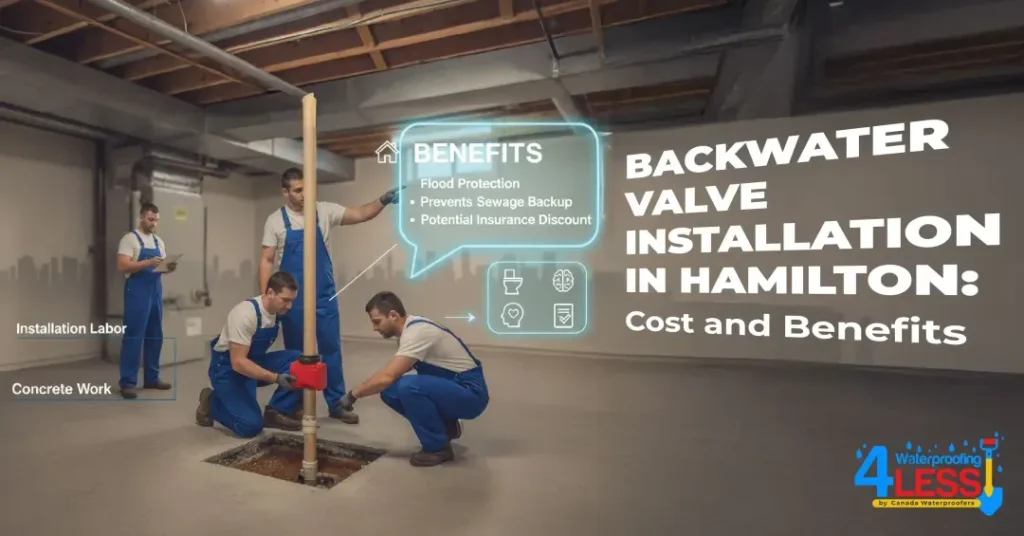
This is why many homeowners look into Backwater Valve Installation in Hamilton: Cost and Benefits before a problem starts. A backwater valve helps stop sewage from flowing back into the house. It stays out of sight, works on its own, and can save a homeowner from a much larger repair bill later.
Wastewater normally leaves the house through the main sewer pipe and moves toward the municipal sewer line. Problems begin when that flow slows down or reverses.
This may happen when:
When the sewer line cannot handle the pressure, wastewater looks for another way out. In many homes, the lowest opening is the basement floor drain.
A backwater valve is a small plumbing fitting placed inside the main sewer line. It allows wastewater to leave the house, but it blocks water that tries to come back.
Inside the valve is a flap. The flap stays open during normal use, so water from toilets, sinks, showers, and washing machines can pass through. When water starts moving in the wrong direction, the flap shuts.
The valve does not need to be switched on. It reacts to the change in water flow by itself. Once the pressure drops, the flap opens again.
That simple movement can stop sewage from reaching the basement.
The price of installation depends on the home. Two houses on the same street may have different costs because their plumbing layouts are not the same.
The following details usually affect the final quote.
Where the Main Sewer Line Is Located
The contractor must first find the pipe that carries wastewater out of the house. In some basements, the pipe is easy to reach. In others, it may run beneath flooring, walls, stairs, or built-in storage.
Difficult access usually means more labour.
Finished Basement Work
A bare concrete basement is normally easier to work in. A finished basement may have tile, laminate, carpet, drywall, or cabinets near the installation area.
Some of these materials may need to be removed and repaired after the valve is fitted.
Age and Condition of the Pipe
Older sewer lines may have cracks, loose joints, corrosion, or tree root damage. The installer may recommend fixing these problems before placing the valve.
Skipping damaged pipe sections can lead to drainage trouble later.
Concrete Cutting and Floor Repair
Most installations require opening a small part of the basement floor. The contractor cuts the concrete, exposes the sewer pipe, fits the valve, and then repairs the area.
An access cover must remain visible so the valve can be checked and cleaned.
Permit and Inspection Charges
The work may require a plumbing permit or inspection. The installer should explain these costs before starting the job.
A clear written quote helps homeowners understand what is included.
The main reason to install a backwater valve is simple: sewer cleanup is expensive.
A single backup may damage:
Sewage water also carries bacteria and waste. Cleaning it is not the same as drying rainwater. The area may need professional removal, disinfecting, odour treatment, and mould control.
A backwater valve cannot stop every kind of basement leak, but it can reduce the chance of sewage entering through the drain system.
A backwater valve is worth considering when the home has a history of drainage trouble or sits in an area where backups have happened before.
Common warning signs include:
Homeowners should not wait for sewage to appear before arranging an inspection. A plumber can check the line and explain whether the property has a higher risk.
The job usually starts with a sewer line inspection. The contractor may use a camera to look inside the pipe and find the best place for the valve.
After marking the area, the installer opens the basement floor and exposes the main drain. A section of pipe is removed, and the backwater valve is connected in its place.
The flap is then tested to make sure it moves freely and closes properly. Once the plumbing work is complete, the installer repairs the concrete around the valve.
The access lid stays above floor level. Homeowners should never cover it with permanent flooring or heavy furniture.
4 Waterproofing Less may also inspect nearby basement problems, such as wall cracks, poor drainage, sump pump issues, or water entering around the foundation. These problems need separate repairs because a backwater valve only deals with sewer flow.
A backwater valve is not a fit-and-forget item. It needs occasional cleaning.
Grease, hair, paper, and other waste can collect around the flap. If the flap becomes stuck, it may not close during a backup.
Basic care includes:
A quick inspection before storm season can prevent problems when the valve is needed most.
Most jobs take one working day. Pipe repairs or difficult access may take longer.
No. It blocks sewer water. Foundation leaks and window leaks need different repairs.
Yes. Regular cleaning helps the flap open and close without getting stuck.
Yes. Older homes often benefit from a sewer line inspection and added backup protection.
Professional installation is safer because the work involves the main sewer pipe, floor cutting, and local plumbing rules.


Think waterproofing is only needed when you see water? Learn why this belief can lead to costly damage. Discover how proactive measures protect your GTA home from hidden moisture issues.
Think waterproofing is only needed when you see water? Learn why this belief can lead to costly damage. Discover how proactive measures protect your GTA home from hidden moisture issues.
Think waterproofing is only needed when you see water? Learn why this belief can lead to costly damage. Discover how proactive measures protect your GTA home from hidden moisture issues.