
How to Protect Exterior Foundation Walls From Water
Think waterproofing is only needed when you see water? Learn why this belief can lead to costly damage. Discover how proactive measures protect your GTA home from hidden moisture issues.
A toilet clog always seems to happen at the worst possible time. You flush once, the water starts rising, and within seconds you are standing there wondering whether to try the plunger again or shut the bathroom door and call someone.
A plunger can handle a light blockage, especially when toilet paper is sitting close to the bowl. But some clogs sit farther down, inside the curved toilet trap. That is where a toilet auger earns its place.
A toilet auger can reach deeper than a plunger and remove blockages without taking the toilet apart. The job is not difficult, but rushing through it can leave scratches on the bowl or push the clog deeper. Here is how to use a toilet auger without making the problem worse.
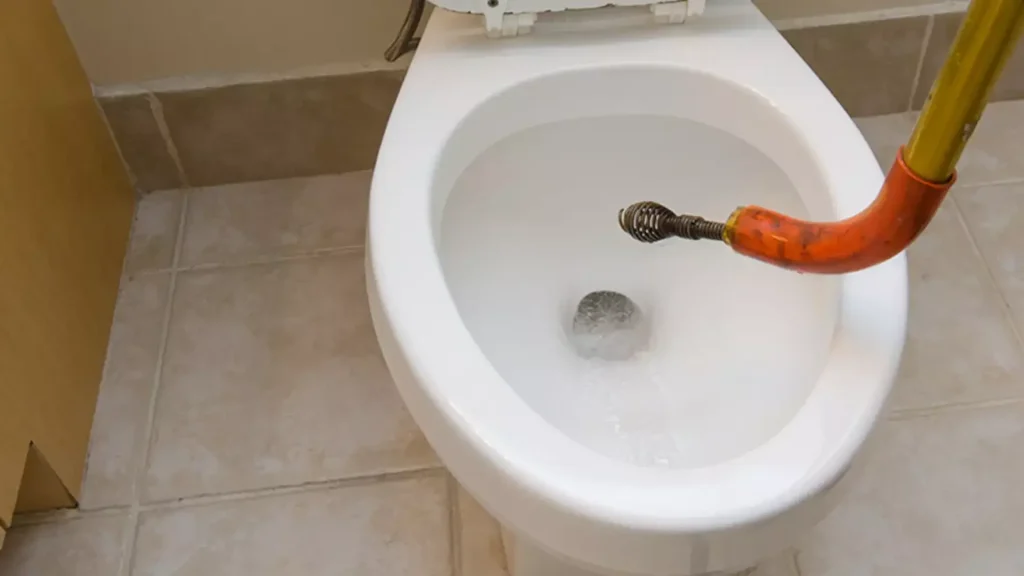
A toilet auger is a hand tool made for blocked toilets. Plumbers also call it a closet auger. It has a long cable inside a curved tube, along with a handle that turns the cable.
The curved end follows the shape of the toilet drain. The outer sleeve protects the porcelain, while the cable moves through the trap and reaches the blockage.
This is different from a basic drain snake. A normal snake has exposed metal and can leave dark marks or scratches inside the bowl. A toilet auger is easier to control because it is made for this exact job.
Try a plunger first. It is faster, cleaner, and often clears a soft clog in a few pushes. But if the water still drains slowly or rises after flushing, the blockage may be too deep for suction alone.
A toilet auger is worth using when:
Do not keep flushing to check whether the clog has moved. That is how a blocked toilet ends up overflowing across the bathroom floor.
Put on rubber gloves and spread a few old towels around the toilet base. Keep a bucket and rubbish bag close by. The auger may pull out wet paper, wipes, or something else you do not want dripping across the floor.
If the bowl is close to overflowing, turn off the water supply valve beside or behind the toilet. Turn it clockwise until it stops.
You can remove some of the water with a small jug or container. Leave a little water in the bowl, though. The cable moves more easily when the drain is wet.
Start by pulling the auger cable into the curved tube. Only a small part of the tip should remain outside.
This gives you better control when placing the tool inside the toilet. It also keeps the bare cable away from the visible porcelain.
Place the curved end at the bottom of the bowl. The rubber or plastic sleeve should rest against the toilet surface.
Make sure the tip points directly into the drain opening. Hold the main tube with one hand and the handle with the other.
Do not let the cable drag across the bowl. Even a few hard scrapes can leave marks that are difficult to remove.
Turn the handle clockwise while applying light forward pressure.
The cable has to move through the toilet’s curved trap, so a little resistance is normal. Keep turning at a steady pace. Do not ram the cable forward.
When the cable reaches the clog, the handle will usually feel tighter. You may also feel a soft stop or a slight bounce.
Once you reach the clog, keep turning the handle. Push the cable forward a little, then pull it back slightly.
This back-and-forth movement helps the tip break through packed paper or catch onto a foreign object.
Take your time here. A soft blockage may break apart in less than a minute. A cloth, wipe, or toy may take longer because the cable has to catch it before you pull it back.
Do not use heavy force. If the cable refuses to move, stop and reposition it. Forcing it can jam the object deeper into the pipe.
Turn the handle in the opposite direction while slowly pulling the auger out of the bowl.
Keep the curved end low until most of the cable is back inside the tube. This helps control splashing.
Look at the cable tip. If it caught toilet paper, a wipe, cloth, or small item, remove it with gloved hands and place it in the rubbish bag.
Do not flush the item again, even if it looks small.
Do not press the flush button straight away.
Pour a bucket of water into the bowl and watch how quickly it drains. If the water drops at a normal speed and does not rise, the blockage has probably cleared.
Turn the water supply back on and let the tank fill. Flush once while keeping an eye on the bowl.
If the water starts rising again, shut the supply off and repeat the auger process. Some clogs need a second pass, especially when thick paper buildup is stuck around the bend.
A toilet auger works well when handled gently. Most problems come from trying to rush the job.
Avoid these common mistakes:
Boiling water can crack porcelain. Chemical cleaners may damage pipes, create strong fumes, or splash back while you are using the auger.
A one-time clog often comes from too much toilet paper. A blockage that keeps coming back usually has another cause.
Low flushing power can leave waste inside the trap. Hard-water deposits may narrow the drain. A wipe, toy, or other object may also be sitting deeper than the auger can reach.
If water appears around the toilet base, there may be a leaking seal or pipe. Moisture from plumbing leaks can spread into floors, lower walls, or basement areas. In homes already dealing with dampness, a company such as 4 Waterproofing Less may help check whether hidden water is affecting the basement or foundation.
Stop using the auger and call a plumber when:
These signs may point to a blockage in the main drain rather than the toilet itself. A plumber may need a drain camera, a longer machine, or may have to remove the toilet to reach the problem.
Yes, but usually only when the bare cable rubs against the porcelain. Keep the protective sleeve in place.
Most home-use augers reach around three to six feet into the toilet drain.
It may catch a small toy. A larger object may require the toilet to be removed.
Yes. Start with a plunger, then use the auger if the clog sits deeper.
Part of the blockage may still be inside, or the clog may be farther down the drain line.


Think waterproofing is only needed when you see water? Learn why this belief can lead to costly damage. Discover how proactive measures protect your GTA home from hidden moisture issues.
Think waterproofing is only needed when you see water? Learn why this belief can lead to costly damage. Discover how proactive measures protect your GTA home from hidden moisture issues.
Think waterproofing is only needed when you see water? Learn why this belief can lead to costly damage. Discover how proactive measures protect your GTA home from hidden moisture issues.