
How to Protect Exterior Foundation Walls From Water
Think waterproofing is only needed when you see water? Learn why this belief can lead to costly damage. Discover how proactive measures protect your GTA home from hidden moisture issues.
A wet basement does not always begin with water running down the walls. Sometimes it starts with a smell. Sometimes the floor feels cold and slightly damp. In other homes, paint begins to peel near one corner after heavy rain. These small signs are easy to ignore, especially when the basement still looks usable.
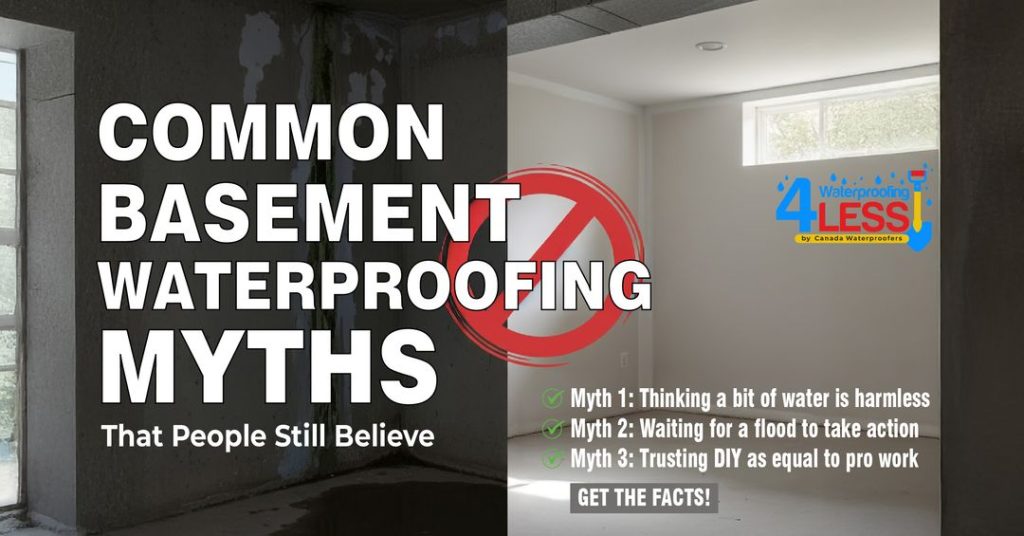
The problem is that many homeowners rely on old advice that does not always match how basement leaks actually happen. Some believe paint can stop groundwater. Others think a new home cannot leak. These Basement Waterproofing Myths Homeowners Should Stop Believing often lead to delayed repairs and higher costs.
Let’s look at the most common myths and what homeowners should know instead.
Standing water is an obvious warning sign, but it is not the only one.
A basement can have a moisture problem even when the floor looks dry. Concrete walls absorb moisture, and small cracks may allow water vapour or dampness to enter. You may notice a musty smell, cold walls, flaking paint, or white marks on the concrete.
Those white marks are usually mineral deposits left behind after moisture passes through the wall.
Other early signs include:
Waiting for a flood is never a good plan. Small signs often give you time to fix the problem before the basement suffers serious damage.
Waterproof paint can make a wall look cleaner, but it cannot solve every water problem.
Think of it this way: if water pressure is building outside the foundation, a layer of paint on the inside will not remove that pressure. The water may return through the same spot or find another weak point.
Paint also cannot repair:
It may help with light surface dampness, but it should not replace a proper inspection. The repair must deal with the source, not just cover the stain.
Older homes may have worn drainage systems or ageing foundations, but new homes can leak too.
Fresh concrete can develop small cracks while it cures. Soil can settle after construction and create gaps around the foundation. In some cases, the yard slopes toward the house instead of away from it.
A new home may also have:
Age alone does not decide whether a basement will stay dry. Drainage, soil, workmanship, and regular maintenance matter just as much.
Wall cracks are common, but they are not the only path water can take.
Water may rise through the floor when the groundwater level becomes high. It can enter through the joint where the wall meets the floor. It may also leak around pipes, cables, basement windows, or floor drains.
Common entry points include:
That is why locating the real source matters. Sealing one visible crack may not help if the water is actually coming from below the floor.
A dehumidifier is useful, but it has limits.
It removes moisture from the air. It does not stop water from pushing through concrete, entering around windows, or collecting under the floor.
A dehumidifier may help when the basement feels humid during summer. It may also reduce condensation on pipes. But if you keep emptying the tank and the damp smell returns, there is probably another issue.
Use it for humidity control, not as a substitute for basement waterproofing.
This myth causes many homeowners to reject a method that may suit their home.
A well-installed interior drainage system can work for years. It usually collects water near the base of the foundation and carries it to a sump pump. The pump then moves the water safely away from the house.
Interior systems are often useful when excavation outside is difficult because of:
The quality of the installation matters more than whether the work happens inside or outside.
A company such as Waterproofing 4 Less can inspect the basement, check the water entry points, and suggest a method based on the house rather than pushing the same system for every job.
Exterior waterproofing can be an excellent solution, but it is not automatically the best choice in every case.
The work usually involves digging around the foundation, repairing cracks, adding a membrane, and improving drainage. This can protect the wall from outside moisture, but the process may be difficult when access is limited.
Some homes need interior drainage. Others need exterior repair. In certain cases, both methods may be used.
The right choice depends on:
A proper inspection should guide the decision.
Gutters play a bigger role than many homeowners realise.
When gutters overflow, water falls beside the house. Short downspouts create the same problem. The soil near the foundation becomes soaked, and water pressure increases against the basement walls.
Simple maintenance can reduce this pressure:
These steps will not repair existing foundation damage, but they can help prevent extra water from collecting around the home.
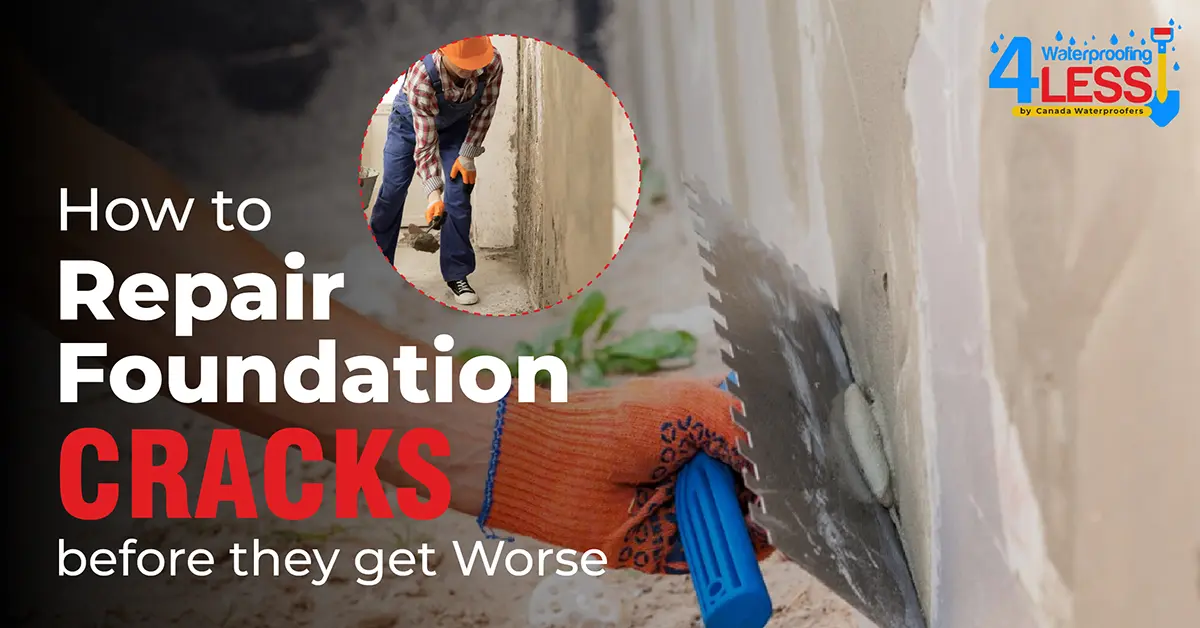
Some cracks are minor, but no crack should be dismissed without looking at it properly.
A thin vertical crack may only need sealing. A horizontal crack, widening gap, or wall that appears to bow may point to a more serious concern.
Pay attention when a crack:
A trained contractor can tell whether the issue is related to water, settling, or structural pressure.
Ignoring moisture often costs more over time.
Water can damage flooring, drywall, insulation, furniture, storage boxes, and electrical fittings. Mould may also spread behind finished walls before you notice it.
The cost of repairs depends on the basement size, water source, foundation condition, access, and repair method. Fixing a small crack or drainage issue early is usually easier than rebuilding a finished basement after repeated leaks.
A musty smell, damp wall, peeling paint, or white mineral marks may appear before visible water.
Yes. Overflowing gutters can send water directly beside the foundation and increase soil pressure.
No. A sump pump helps manage collected water, but other repairs may still be needed.
Yes. Ongoing dampness and high humidity can support mould growth even without standing water.
Have it inspected if it leaks, grows wider, runs horizontally, or appears with wall movement.


Think waterproofing is only needed when you see water? Learn why this belief can lead to costly damage. Discover how proactive measures protect your GTA home from hidden moisture issues.
Think waterproofing is only needed when you see water? Learn why this belief can lead to costly damage. Discover how proactive measures protect your GTA home from hidden moisture issues.
Think waterproofing is only needed when you see water? Learn why this belief can lead to costly damage. Discover how proactive measures protect your GTA home from hidden moisture issues.