
How to Protect Exterior Foundation Walls From Water
Think waterproofing is only needed when you see water? Learn why this belief can lead to costly damage. Discover how proactive measures protect your GTA home from hidden moisture issues.
A blocked drain can ruin a normal day very quickly. The kitchen sink may stop draining, the toilet may rise after flushing, or dirty water may come back through the basement floor drain. At first, many people try hot water, a plunger, or a bottle of drain cleaner. Sometimes that gives short relief, but the blockage often returns because the real problem is still inside the pipe.
If you are searching for Blocked Drain Emergency? Here’s The Fastest Way To Drain Repair In Oakville, the first step is simple: stop using water and find out where the blockage has formed. Acting early can reduce water damage and keep the repair from becoming more expensive.
One blocked sink usually points to a local clog. If the kitchen sink is slow but the bathroom drains are fine, grease or food waste may be stuck in that pipe.
The situation becomes more serious when several fixtures stop working together. For example, if the toilet bubbles when the washing machine drains, or water rises in the shower after you flush, the main sewer line may be blocked.
Pay attention to these signs:
These signs help a technician understand whether the issue is close to one fixture or deeper in the drainage system.
When wastewater starts backing up, every extra flush or running tap adds more water behind the blockage. That pressure can force dirty water into the lowest part of the house, which is often the basement.
Turn off taps, stop the washing machine, and avoid using the dishwasher until the drain has been checked. Keep children and pets away from the affected area. If water has reached rugs, cardboard boxes, or furniture, move those items before they absorb more moisture.
Do not keep testing the drain every few minutes. It may seem harmless, but repeated flushing can make the cleanup much worse.
Blocked drains do not all happen for the same reason. The cause often depends on the age of the house, daily habits, and the condition of underground pipes.
Kitchen Grease
Grease goes down the sink as a liquid, but it cools inside the pipe. It then sticks to the inner wall and catches food particles, soap, and other waste. Over time, the open space becomes smaller until water can no longer pass freely.
Hair and Soap
Bathroom drains often collect hair, shaving cream, soap, shampoo, and skin products. This mixture forms a thick plug, especially in shower and bathtub drains.
Wipes and Paper Products
Wipes, paper towels, cotton pads, and sanitary products do not break down like toilet paper. Once they enter the pipe, they may catch on rough edges or older joints.
Tree Roots
Roots can enter small cracks in underground sewer pipes. Once inside, they grow toward the moisture and create a net that catches waste.
Damaged Pipes
Older pipes may crack, sag, or shift because of soil movement and winter conditions. Cleaning the drain may not solve the issue if part of the pipe has collapsed.
A proper drain repair should start with inspection, not guesswork. A technician may first check the affected fixtures and then use a camera to look inside the pipe.
A drain camera can show:
This makes the repair more direct. Instead of opening walls or digging in the wrong place, the technician can work on the exact section causing trouble.
4 Waterproofing Less can check the drainage line and suggest the repair based on what is actually found inside the pipe.
Drain Snaking
A drain snake works well for hair, paper, and soft clogs. The cable moves through the pipe and breaks or pulls out the blockage.
High-Pressure Water Cleaning
For grease, sludge, and buildup along the pipe walls, high-pressure water cleaning may work better. It clears the line more thoroughly than simply making a small opening through the clog.
Root Cutting
When roots have entered the sewer line, they may need to be cut and removed. The damaged pipe should also be repaired, or the roots can return.
Pipe Repair
A cracked or sunken section needs more than cleaning. In some cases, only one part of the pipe requires repair or replacement.
Chemical drain cleaners are easy to buy, but they are not suitable for every blockage. They may burn through a small amount of soft material, yet leave most of the clog behind.
If the pipe is fully blocked, the chemical can sit in one place and damage older plumbing. Strong fumes can also make the area unsafe. These products cannot remove tree roots or repair a broken pipe.
A few daily habits can make a noticeable difference.
If the same drain blocks more than once, ask for a camera inspection instead of repeating temporary cleaning.
Avoid using water if several drains are affected. The blockage may be in the main sewer line.
A blocked main drain can push wastewater back through the lowest opening in the house.
A drain camera is the easiest way to confirm root growth inside a sewer line.
No. A plunger may help with a small local clog, but it cannot fix roots or damaged pipes.
Call when wastewater backs up, several drains stop working, or water starts spreading across the basement floor.
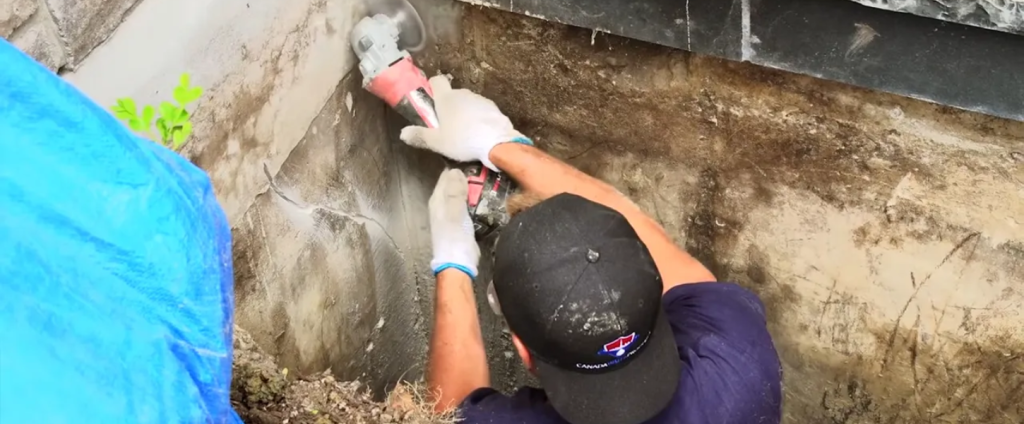


Think waterproofing is only needed when you see water? Learn why this belief can lead to costly damage. Discover how proactive measures protect your GTA home from hidden moisture issues.
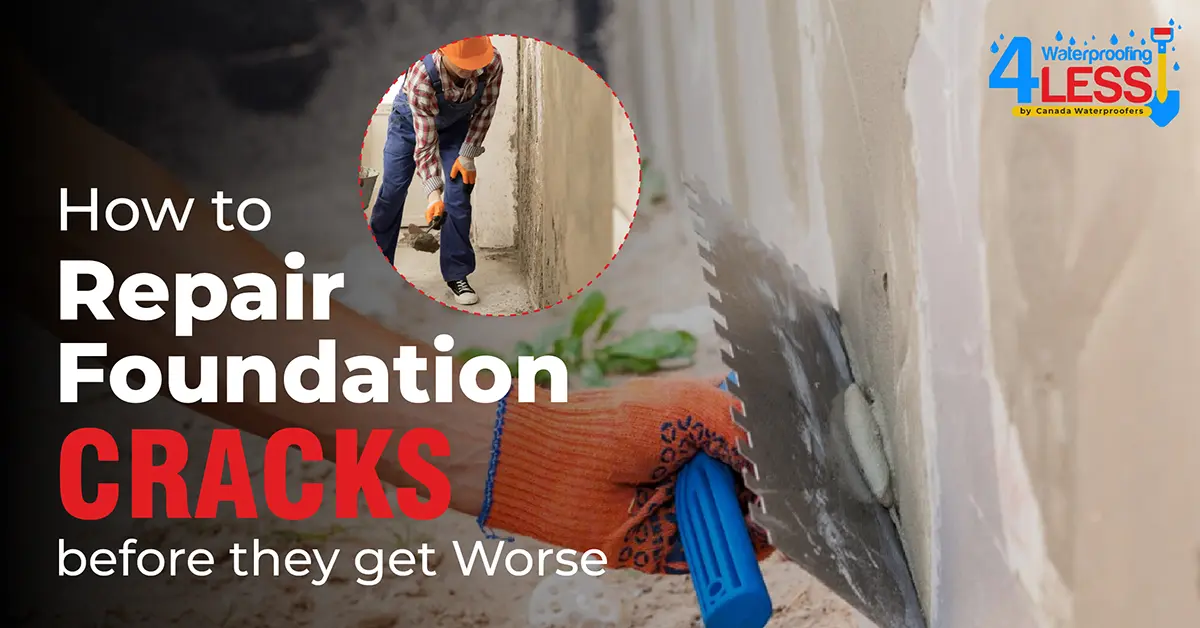
Think waterproofing is only needed when you see water? Learn why this belief can lead to costly damage. Discover how proactive measures protect your GTA home from hidden moisture issues.
Think waterproofing is only needed when you see water? Learn why this belief can lead to costly damage. Discover how proactive measures protect your GTA home from hidden moisture issues.