
How to Protect Exterior Foundation Walls From Water
Think waterproofing is only needed when you see water? Learn why this belief can lead to costly damage. Discover how proactive measures protect your GTA home from hidden moisture issues.
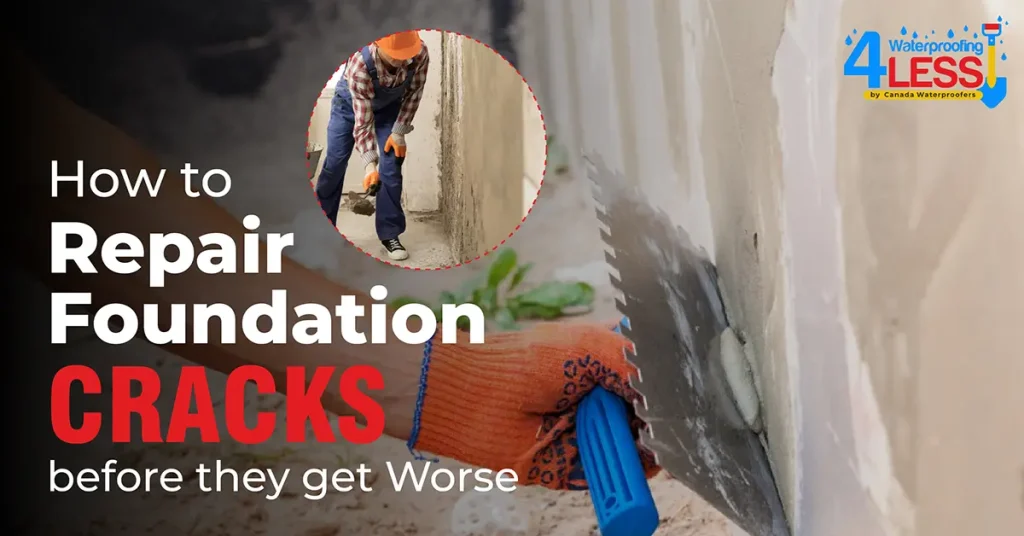
A crack in the foundation may look small, but it should never be ignored. Even a thin line can allow water into the basement, damage the wall finish, or grow wider as the soil shifts.
The first step in learning how to repair foundation cracks before they get worse is to identify the type of crack. Some cracks form when concrete dries. Others appear because of soil pressure, poor drainage, or foundation movement.
Small, stable cracks may only need sealing. Wide, horizontal, leaking, or growing cracks often need professional attention.
Foundation cracks can appear for many reasons. Concrete expands and contracts as the temperature changes. Soil also moves when it becomes wet, dry, frozen, or loose.
Common causes include:
For example, a thin vertical crack in a newer wall may come from concrete shrinkage. A horizontal crack may mean that wet soil is pushing hard against the outside wall.
Before starting any foundation crack repair, look for the cause instead of covering the crack right away.
Start by looking at the direction, width, depth, and location of the crack.
You should also check for other signs around the home, such as:
Place a small pencil mark at each end of the crack and write the date beside it. Take a photo as well. Check the same area again after a few weeks.
This simple step can show whether the crack is stable or getting longer.
| Crack Type | Possible Cause | What to Do |
|---|---|---|
| Hairline vertical crack | Concrete shrinkage | Watch and seal if needed |
| Wide vertical crack | Settlement | Arrange an inspection |
| Horizontal crack | Soil pressure | Call a professional |
| Diagonal crack | Uneven movement | Inspect quickly |
| Stair-step crack | Block wall movement | Seek expert advice |
| Leaking crack | Water pressure | Repair and improve drainage |
The table gives a basic idea, but the full condition of the wall matters too. A narrow crack with water entry may need more work than a dry crack of the same size.
You may handle a small, dry, stable crack yourself, but only when the wall shows no sign of movement.
Use a wire brush to remove dust, loose concrete, paint, and old filler. Vacuum the crack so the repair product can bond to the concrete.
Do not apply new material over dirt or crumbling concrete. The repair may fail after a short time.
Different products suit different cracks.
When sealing foundation cracks, do not rely on ordinary caulk. It may hide the crack for a while, but it usually cannot handle water pressure.
Follow the product instructions and allow enough time for curing. Do not paint or cover the repair too soon.
For example, a dry vertical crack may respond well to epoxy. A crack that leaks every time it rains may need polyurethane injection along with outside drainage work.
A leaking basement crack usually means water is building up outside the wall. Sealing the inside may help, but it will not always solve the source of the leak.
A full basement foundation crack repair may include:
Waterproofing4less can inspect the crack and check the drainage around the property. This helps determine whether the leak comes from poor grading, blocked drains, damaged waterproofing, or pressure in the soil.
You can also link this section to service pages for basement waterproofing, sump pump installation, drain repair, and exterior waterproofing.
Some cracks need more than filler or injection.
Call a foundation contractor when:
Professional concrete foundation repair may involve wall anchors, carbon-fibre straps, steel braces, underpinning, or exterior waterproofing.
The right answer to how to fix cracked foundation walls depends on what caused the damage. A surface patch will not fix soil movement or a sinking foundation.
Once the crack is repaired, keep water away from the house.
Clean the gutters regularly. Extend downspouts away from the wall. Make sure the soil slopes away from the foundation. Repair leaking pipes and avoid letting water collect near basement walls.
Inspect the repaired area after heavy rain and during seasonal changes. Take photos so you can compare the condition over time.
A simple infographic can show correct soil grading, downspout placement, drainage pipes, and common crack shapes. A short repair video can also help visitors understand the inspection and injection process.
Knowing how to repair a cracked foundation can help you avoid basement leaks, damaged walls, mold, and larger repair costs.
Small and stable cracks may only need proper cleaning and sealing. Cracks that leak, widen, run sideways, or appear with wall movement need a professional inspection.
Repair the crack early, but also deal with the reason it formed. That gives the repair a better chance of lasting.
Yes, you may repair a small, dry, stable crack. Call a professional when the crack leaks or continues to grow.
Epoxy works well for dry cracks, while polyurethane often suits cracks with water entry.
Yes. It may point to strong soil pressure against the wall.
Water may still be collecting outside the foundation, or the first repair may not have filled the full crack.
A proper repair can last for years when the contractor fixes both the crack and the drainage problem.


Think waterproofing is only needed when you see water? Learn why this belief can lead to costly damage. Discover how proactive measures protect your GTA home from hidden moisture issues.
Think waterproofing is only needed when you see water? Learn why this belief can lead to costly damage. Discover how proactive measures protect your GTA home from hidden moisture issues.

Think waterproofing is only needed when you see water? Learn why this belief can lead to costly damage. Discover how proactive measures protect your GTA home from hidden moisture issues.