How to Protect Exterior Foundation Walls From Water
Think waterproofing is only needed when you see water? Learn why this belief can lead to costly damage. Discover how proactive measures protect your GTA home from hidden moisture issues.
A sewer line usually stays out of sight, so most homeowners do not think about it until something goes wrong. A slow drain may seem like a small issue, but repeated blockages, bad smells, or water backing up into the basement can point to a bigger problem underground.
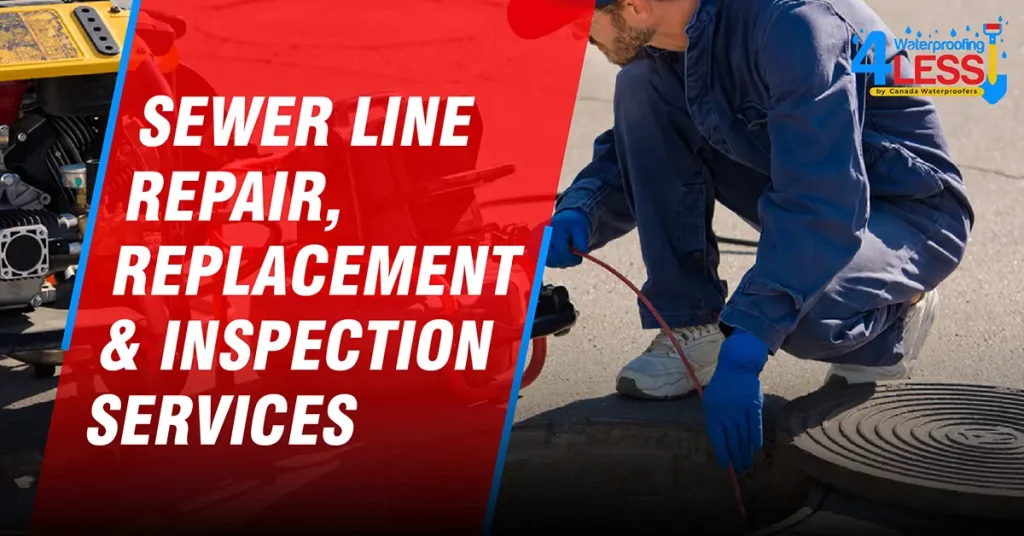
Professional Sewer Line Repair, Replacement & Inspection Services help find the cause before the damage spreads. A proper inspection can show whether the pipe needs cleaning, a small repair, or full replacement. Acting early can also protect your floors, walls, yard, and foundation from sewage damage.
Sewer problems rarely appear without warning. In many cases, the house gives clear signs before a complete blockage happens.
Watch for these common problems:
One slow sink may only need basic drain cleaning. However, when several fixtures have the same issue, the main sewer pipe may be blocked or damaged.
Several things can affect an underground sewer pipe. Older homes may have clay, cast iron, or Orangeburg pipes that become weak with age. Newer pipes can also fail if the ground shifts or the original installation was poor.
Tree roots remain one of the most common causes. Roots look for moisture and can enter through small cracks or loose pipe joints. Once inside, they grow, trap waste, and reduce water flow.
Other common causes include:
Heavy rain can make an existing problem worse. Some homeowners notice sewer smells, floor drain backups, or basement moisture after storms. Companies such as 4 Waterproofing Less may also check drainage and foundation conditions when water problems affect the lower level of a home.
A sewer camera inspection gives a clear look inside the pipe without digging up the yard. A technician inserts a small waterproof camera through a cleanout or drain opening. The camera moves through the line and sends live video to a screen.
This inspection can find:
The camera also helps locate the damaged section. This matters because the contractor can focus on the exact area instead of digging across the whole property.
A sewer inspection is also helpful before buying an older home. A normal home inspection may not include the underground sewer line. Repairing a failed pipe after moving in can become an expensive surprise.
A full replacement is not always necessary. If the damage affects one small area, the technician may be able to repair that section.
Common repair options include:
Spot Repair
The contractor opens the ground above the damaged section, removes the broken part, and installs a new pipe piece.
Pipe Lining
A resin-coated liner goes inside the old pipe. Once it hardens, it creates a new pipe within the existing line.
Root Cutting
Special equipment cuts roots from inside the pipe. The cracked joint may still need sealing to stop roots from growing back.
Drain Cleaning
Hydro jetting or mechanical cleaning can remove grease, sludge, and waste when the pipe itself remains in good condition.
The right repair method depends on the pipe material, depth, location, and level of damage.
Replacement may be needed when the pipe has several cracks, severe corrosion, repeated root damage, or a complete collapse. Constant repairs may cost more over time than installing a new line.
A contractor may suggest replacement when:
Traditional replacement requires digging a trench to reach the old pipe. Trenchless replacement uses smaller access points and can reduce damage to lawns, driveways, and patios.
Homeowners can prevent many sewer issues by changing a few daily habits.
Avoid pouring cooking grease, oil, coffee grounds, or food scraps into the sink. Do not flush wipes, paper towels, cotton products, or sanitary items, even when the packaging says they are flushable.
Keep large trees away from the sewer route when planning new landscaping. You should also avoid parking heavy vehicles above underground pipes.
Older homes may benefit from a camera inspection every few years. Regular checks can find roots, cracks, and buildup before they cause a major backup.
Several slow drains, toilet bubbling, sewage smells, and floor drain backups often point to a main line blockage.
Yes. Roots can enter small cracks, widen damaged joints, and block the flow of wastewater.
Yes. It shows the pipe’s condition and helps avoid unnecessary digging or incorrect repairs.
Small repairs may take a few hours. Large replacement projects may take one or more days.
Yes. A blocked or broken line can cause sewage backups, damp floors, bad smells, and water damage in the basement.


Think waterproofing is only needed when you see water? Learn why this belief can lead to costly damage. Discover how proactive measures protect your GTA home from hidden moisture issues.
Think waterproofing is only needed when you see water? Learn why this belief can lead to costly damage. Discover how proactive measures protect your GTA home from hidden moisture issues.
Think waterproofing is only needed when you see water? Learn why this belief can lead to costly damage. Discover how proactive measures protect your GTA home from hidden moisture issues.