
How to Protect Exterior Foundation Walls From Water
Think waterproofing is only needed when you see water? Learn why this belief can lead to costly damage. Discover how proactive measures protect your GTA home from hidden moisture issues.
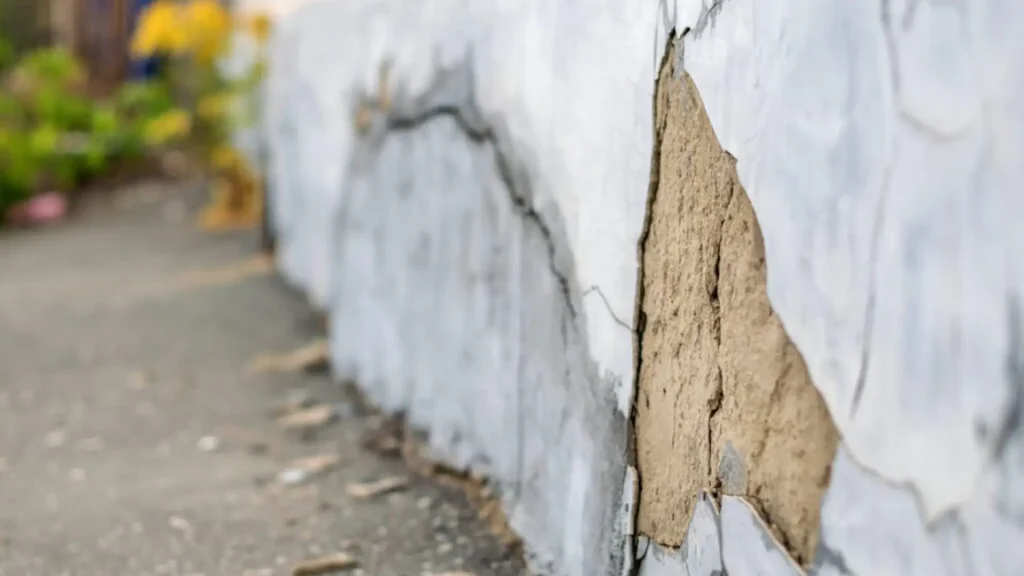
Basement concrete cracks often look similar at first, but wall cracks and floor cracks do not always mean the same thing. A thin line in the floor may come from normal concrete shrinkage, while a horizontal crack in the wall may point to pressure from the soil outside. The right repair depends on the location, width, direction, and cause of the crack. Before using any sealant or patching material, you need to understand what the crack is telling you.
Concrete is strong, but it is not completely flexible. It reacts to moisture, temperature changes, soil movement, and pressure around the foundation.
Common reasons behind basement cracks include:
Some cracks remain small for years. Others widen slowly and begin to leak during rain or snowmelt. This is why regular inspection matters.
The location of a crack gives the first clue about the problem.
Basement wall cracks usually form because the foundation is settling or the soil outside is pushing against the wall. Floor cracks often develop because the slab shrinks, the soil underneath moves, or water pressure builds below the floor.
A wall crack can sometimes affect the structure of the house. A floor crack is often less serious, but it still needs attention if water comes through it or the slab has become uneven.
Not every wall crack carries the same level of risk.
Vertical Wall Cracks
Vertical cracks often appear when the concrete shrinks or the foundation settles slightly. A narrow vertical crack may not be dangerous, but it can still allow water into the basement.
These cracks are commonly repaired with epoxy or polyurethane injection.
Horizontal Wall Cracks
Horizontal cracks need faster attention. They often form when wet soil pushes against the foundation wall from outside.
This pressure can cause the wall to bow inward. Sealing the crack may stop water for a short time, but it will not correct the pressure behind the wall.
Diagonal Cracks
Diagonal cracks may appear when one part of the foundation settles more than another. These cracks often start near windows, corners, or door openings.
A contractor should inspect them if they continue to grow.
Stair-Step Cracks
Stair-step cracks usually appear in concrete block foundations. They follow the mortar joints between the blocks and may point to foundation movement.
Do not cover the crack immediately. First, clean the area and inspect it closely.
Check the following:
You can also mark the ends of the crack with a pencil and write the date beside it. Check the area again after a few weeks. If the crack extends beyond the marks, the foundation may still be moving.
The best method depends on whether the crack is dry, leaking, stable, or structural.
Use Epoxy for Stable Structural Cracks
Epoxy injection bonds the two sides of the crack and helps restore strength to the concrete.
It works best when:
The crack must be cleaned properly before injection. Dust, loose concrete, and moisture can reduce the quality of the repair.
Polyurethane expands after injection and fills small gaps inside the wall. It is often used for active water leaks because it remains slightly flexible.
It works well when:
A waterproofing company such as 4 Waterproofing Less may also inspect the drainage around the home before sealing the crack. This helps determine whether water pressure is likely to create the same issue again.
A cracked wall that bends inward needs more than filler.
Common reinforcement methods include:
These methods help support the wall and reduce further movement.
Floor cracks usually require a different approach.
A small dry crack can often be cleaned and filled with concrete repair material or flexible crack sealant.
The basic process includes:
Do not apply filler over dirt or moisture. The material may separate from the concrete.
Water coming through the floor usually means pressure is building below the slab.
A surface patch may not last because water can push around or through the repair. A contractor may recommend:
If one side of the floor has dropped, the soil below the slab may have washed away or settled.
In this case, crack filler will only hide the surface damage. Slab lifting or soil stabilization may be needed.
Many repairs fail because the visible crack gets sealed, but the water or movement behind it continues.
For example, a homeowner may fill a wall crack from the inside, but clogged gutters still release water beside the foundation. The soil stays wet, pressure builds again, and a new crack appears nearby.
The repair should address both the crack and its cause.
A few simple changes can lower pressure around the foundation.
Good drainage plays a major role in basement crack prevention.
You should arrange a professional inspection when:
A trained contractor can check the crack pattern, moisture source, drainage system, and foundation movement before recommending a repair.
Yes, small and stable cracks can often be repaired with a suitable concrete crack filler.
It can be. Horizontal cracks may show pressure against the foundation wall and should be inspected quickly.
Groundwater pressure below the slab can force moisture through weak areas in the concrete.
Epoxy works well for dry structural cracks, while polyurethane is often better for leaking cracks.
Inspect basement walls and floors at least twice a year and after heavy rain


Think waterproofing is only needed when you see water? Learn why this belief can lead to costly damage. Discover how proactive measures protect your GTA home from hidden moisture issues.
Think waterproofing is only needed when you see water? Learn why this belief can lead to costly damage. Discover how proactive measures protect your GTA home from hidden moisture issues.
Think waterproofing is only needed when you see water? Learn why this belief can lead to costly damage. Discover how proactive measures protect your GTA home from hidden moisture issues.