
How to Protect Exterior Foundation Walls From Water
Think waterproofing is only needed when you see water? Learn why this belief can lead to costly damage. Discover how proactive measures protect your GTA home from hidden moisture issues.
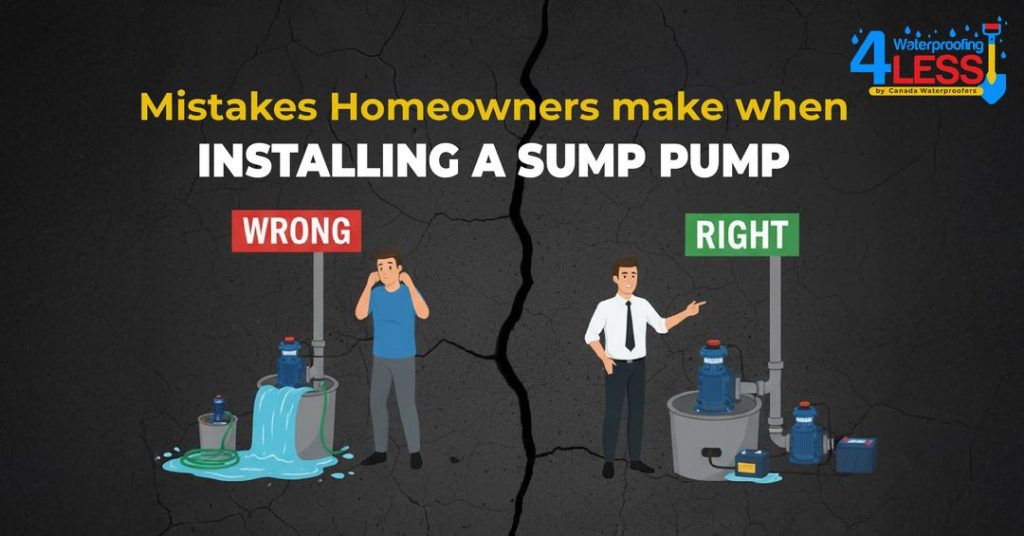
A sump pump is one of the most reliable ways to keep your basement dry, but even a quality system can fail if it is installed incorrectly. Many homeowners assume that simply placing a sump pump in the basement is enough to prevent water damage. In reality, small installation mistakes can lead to basement flooding, mold growth, foundation problems, and expensive repairs. Understanding the most common Sump Pump Installation Mistakes That Cause Basement Flooding helps you protect your home and avoid unexpected water damage. Professional installation from experienced contractors like 4 Waterproofing Less ensures every component works together to keep your basement safe during heavy rainfall and snowmelt.
A sump pump collects groundwater that gathers around your home’s foundation and safely pumps it away before it enters the basement. When installed correctly, it reduces hydrostatic pressure, prevents standing water, and lowers the risk of structural damage.
Improper installation can lead to:
Many of these issues develop because of avoidable installation errors.
One of the biggest installation mistakes is selecting a sump pump that does not match the home’s drainage needs.
A pump that is too small struggles during heavy rain and cannot remove water quickly enough. On the other hand, an oversized pump cycles on and off too frequently, causing unnecessary wear on the motor and shortening its lifespan.
A professional installer evaluates several factors before recommending the correct pump, including:
Installing the right-sized unit improves efficiency and reduces the risk of basement flooding.
The sump pit plays an important role in the entire drainage system. If the pit is too shallow, too narrow, or installed in the wrong location, water may not collect properly.
Common sump pit installation mistakes include:
Water naturally follows the easiest path. If the pit cannot collect groundwater effectively, water will find another route into your basement.
Many homeowners focus on the sump pump itself and overlook the discharge line.
If the discharge pipe ends too close to the foundation, the discharged water simply returns to the soil surrounding the home. Eventually, it seeps back into the basement.
Proper discharge installation should:
Professionals at 4 Waterproofing Less carefully design discharge systems that move water safely away from the property.
A check valve is a small component with a major purpose.
Without it, water pumped out of the discharge pipe can flow back into the sump pit after the pump stops. This causes unnecessary cycling, increases energy use, and places extra strain on the pump.
A properly installed check valve:
Skipping this inexpensive part often leads to bigger repair costs later.
Because sump pumps operate in wet environments, electrical safety is essential.
Unsafe wiring or overloaded circuits increase the risk of pump failure exactly when the system is needed most.
Common electrical mistakes include:
Professional installation follows electrical safety standards and reduces the risk of unexpected breakdowns.
Power outages often occur during severe storms—the same time your sump pump works the hardest.
Without backup power, the pump cannot remove water, leaving the basement vulnerable to flooding.
A battery backup system provides:
Many homeowners regret skipping this upgrade after experiencing their first major outage.
Even a correctly installed pump should be tested before it is relied upon.
A simple water test verifies that:
Routine testing throughout the year also helps identify issues before they become costly repairs.
The sump pump works together with the basement drainage system. If the drain tile is not properly connected to the sump pit, groundwater cannot reach the pump efficiently.
Signs of poor drain tile installation include:
Correct installation allows groundwater to flow naturally into the sump basin before it reaches finished living spaces.
Installation is only the beginning. A sump pump requires periodic inspection to remain dependable.
Homeowners should regularly:
Routine maintenance helps prevent unexpected failures during heavy rainfall.
A sump pump installation involves more than placing a pump inside a pit. Proper grading, drainage design, plumbing connections, electrical safety, and waterproofing all affect system performance.
Experienced professionals understand:
Working with trusted specialists such as 4 Waterproofing Less helps homeowners avoid costly installation mistakes and ensures the system performs reliably for years.
If your current system shows any of these warning signs, it may require professional evaluation:
Early inspection can prevent expensive repairs and reduce the chance of serious basement flooding.
Most sump pumps last around 7 to 10 years with proper maintenance.
A properly installed and maintained sump pump greatly reduces flooding but should work with a complete waterproofing system.
Yes. A battery backup keeps the pump running during power outages caused by storms.
Test it every three to four months and before the rainy season begins.
Choose experienced waterproofing professionals who understand drainage systems, foundation protection, and local installation standards.


Think waterproofing is only needed when you see water? Learn why this belief can lead to costly damage. Discover how proactive measures protect your GTA home from hidden moisture issues.
Think waterproofing is only needed when you see water? Learn why this belief can lead to costly damage. Discover how proactive measures protect your GTA home from hidden moisture issues.
Think waterproofing is only needed when you see water? Learn why this belief can lead to costly damage. Discover how proactive measures protect your GTA home from hidden moisture issues.