
How to Protect Exterior Foundation Walls From Water
Think waterproofing is only needed when you see water? Learn why this belief can lead to costly damage. Discover how proactive measures protect your GTA home from hidden moisture issues.
A crack in a basement wall can mean many things. Sometimes, it appears because fresh concrete shrinks while drying. In other cases, it develops because the soil outside is pressing against the foundation. Water, frost, poor drainage, and ground movement can also play a part.
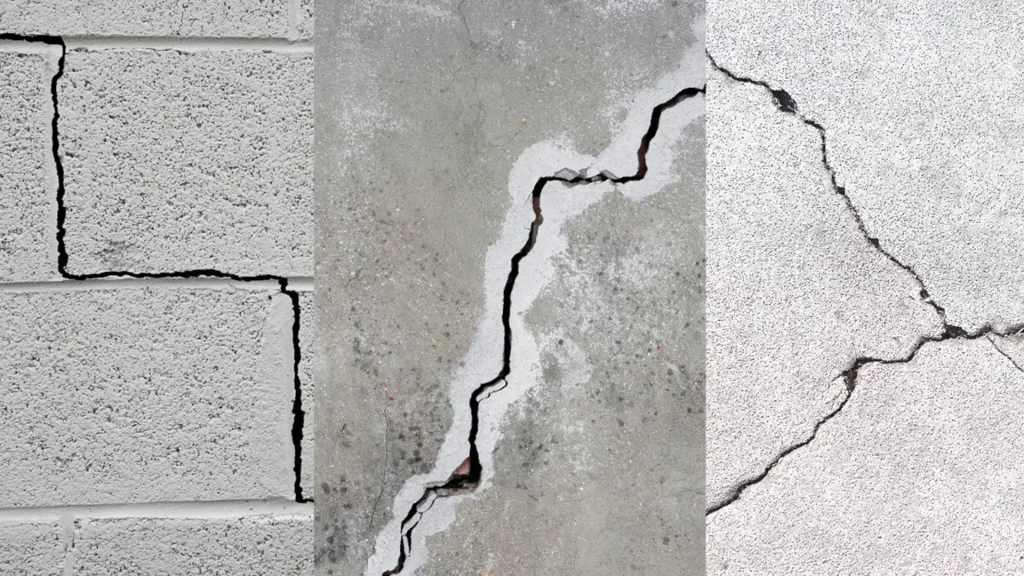
The important thing is not to panic, but not to ignore it either. The shape of the crack, its direction, its width, and whether it leaks can tell you a lot. Learning how to identify different types of basement wall cracks can help you spot a small issue before it turns into a costly repair.
Basement walls sit below ground level, so they deal with more pressure than many other parts of a house. Soil pushes against them every day. After heavy rain, that soil becomes wet and heavy. During winter, frozen ground may expand and press even harder against the wall.
Cracks may also form because of:
Not every crack means the foundation is failing. Still, every crack deserves a proper look.
Vertical cracks move up and down the wall. They are often seen in poured concrete foundations and may appear soon after a house is built.
In many cases, these cracks form because concrete shrinks as it dries. A thin vertical line may remain the same size for years and may not affect the strength of the wall. The problem begins when water finds its way through it.
Check for these signs:
A dry vertical crack may only need monitoring. A leaking crack may need crack injection or basement waterproofing.
Horizontal cracks run across the wall from side to side. These cracks can be more serious because they may show that the wall is under heavy pressure from the soil outside.
When wet soil or frozen ground pushes against a foundation wall, the middle section may start moving inward. Over time, the wall can bow or bulge.
Look for:
Do not simply paint over a horizontal crack. If the wall is bending inward, it may need support, anchors, carbon fibre straps, or another repair chosen by a foundation specialist.
A diagonal crack runs across the wall at an angle. It may start near a window, corner, or door opening and move downward.
This type of crack often appears when one part of the foundation settles more than another. Uneven soil, poor drainage, nearby digging, or changes in ground moisture may cause this movement.
A diagonal crack needs closer attention when:
A small crack may stay stable, but a growing diagonal crack should be checked.
Stair-step cracks are common in concrete block or brick basement walls. Instead of cutting through the blocks, the crack follows the mortar joints in a step-like pattern.
These cracks may develop because of settlement, soil pressure, or movement in one section of the foundation.
Small mortar cracks are not always serious. However, wide stair-step cracks may show that the wall has shifted.
Check for loose blocks, broken mortar, wall movement, or water stains. If the wall also leans or bows, arrange an inspection quickly.
Hairline cracks are very narrow. You may need to stand close to the wall to see them. They often appear while concrete is curing and may not cause a structural problem.
The main concern is moisture. Water can enter through a crack that looks too small to matter. Once inside, it may damage paint, insulation, wooden framing, flooring, or stored items.
Waterproofing 4 Less can inspect the crack, look for moisture around it, and suggest a repair based on the actual cause. Sealing the surface without dealing with outside water may only hide the problem for a short time.
Basement windows create openings in the foundation wall. These areas may crack because they are weaker than a solid section of concrete.
Water can also collect inside the window well, especially when the drain is blocked or the cover is missing.
Look around the window for:
Cleaning the well and fixing drainage may stop the problem from getting worse.
The place where the basement floor meets the wall is called the cove joint. It is a common area for water entry.
When groundwater rises below the floor, pressure can push water through this joint. You may notice damp edges, small puddles, white mineral stains, damaged baseboards, or mould.
This problem may need a sump pump, interior drainage channel, weeping tile repair, or exterior waterproofing. Caulk alone usually will not solve water pressure below the floor.
You can track a crack to see whether it is changing.
Use these simple steps:
Call a professional when the crack becomes longer, wider, wetter, or changes shape.
Book an inspection when you see a horizontal crack, bowing wall, repeated leaks, wide stair-step cracks, uneven floors, or several new cracks at once.
A trained contractor can check the wall, soil pressure, drainage, water entry points, and foundation movement. Depending on the problem, the repair may include crack injection, wall reinforcement, exterior waterproofing, drainage work, or sump pump installation.
No. Some cracks come from normal concrete shrinkage. Others may point to water pressure or foundation movement.
Yes. Even a thin crack can allow water into the basement during heavy rain.
You may seal a small, dry crack, but leaking or growing cracks should be inspected first.
A horizontal crack with a bowing wall usually needs quick professional attention.
It may cover stains, but it does not fix wall movement or outside water pressure.


Think waterproofing is only needed when you see water? Learn why this belief can lead to costly damage. Discover how proactive measures protect your GTA home from hidden moisture issues.
Think waterproofing is only needed when you see water? Learn why this belief can lead to costly damage. Discover how proactive measures protect your GTA home from hidden moisture issues.

Think waterproofing is only needed when you see water? Learn why this belief can lead to costly damage. Discover how proactive measures protect your GTA home from hidden moisture issues.