
How to Protect Exterior Foundation Walls From Water
Think waterproofing is only needed when you see water? Learn why this belief can lead to costly damage. Discover how proactive measures protect your GTA home from hidden moisture issues.
Winter in Toronto is not easy on a house. One week brings heavy snow, and the next brings a sudden thaw. That change in temperature puts a lot of pressure on foundations and basement walls. Many homeowners don’t realize there is a problem until they walk downstairs and find damp carpets, peeling paint, or a musty smell.
The good news is that most winter water problems can be avoided with a little preparation. Paying attention to drainage, repairing small cracks, and checking a few key areas around the house can save thousands of dollars in repairs later.
Before the cold weather settles in, spend some time looking around your property. Check the outside walls, the basement, and the areas where water usually collects after rain.
Look for:
Tiny issues often become expensive repairs after a long winter.
A blocked gutter is one of the biggest reasons water ends up near a foundation. When leaves and dirt stop water from flowing properly, melting snow spills over the sides and gathers around the house.
Cleaning the gutters may not be exciting, but it works.
While you’re there, make sure:
This simple task can prevent many basement leaks.
A hairline crack might not seem important in October, but it can become a bigger issue by February.
Here’s what happens. Water enters the crack, temperatures drop, and that water freezes. Ice takes up more space than water, so the crack slowly widens. The process repeats again and again throughout winter.
If you notice cracks, deal with them early. Small repairs are usually easier and less expensive than major foundation work.
Water should move away from your home, not toward it.
Take a look around the outside of your house after rainfall. If you see puddles sitting close to the foundation, the grading may need attention.
Adding soil around low areas can help direct water away from the house and reduce the amount of moisture pushing against basement walls.
A sump pump usually gets attention only when it stops working. Unfortunately, that’s often during a storm.
Before winter starts:
A backup battery is also worth considering because power outages and bad weather often happen together.
Basement windows can become weak spots during winter. Snow builds up inside window wells, then melts during warmer days.
If the water cannot drain properly, it eventually finds its way inside.
To avoid this:
A few minutes of maintenance can prevent a lot of frustration later.
Frozen pipes are another common winter headache for Toronto homeowners.
Pipes located in garages, crawl spaces, or unfinished basements are more likely to freeze because these areas stay colder than the rest of the house.
You can lower the risk by:
A burst pipe can cause far more damage than most people expect.
After a heavy snowfall, many homeowners pile snow against the side of the house simply because it is convenient.
The problem appears when temperatures rise.
All that snow melts and creates a large amount of water right beside the foundation. The more water sitting there, the greater the chance of a leak.
When clearing your driveway or walkway, try to move snow a little farther from the house.
Some homes deal with damp basements every winter despite regular maintenance. If the same problem keeps coming back, there may be a larger issue below ground.
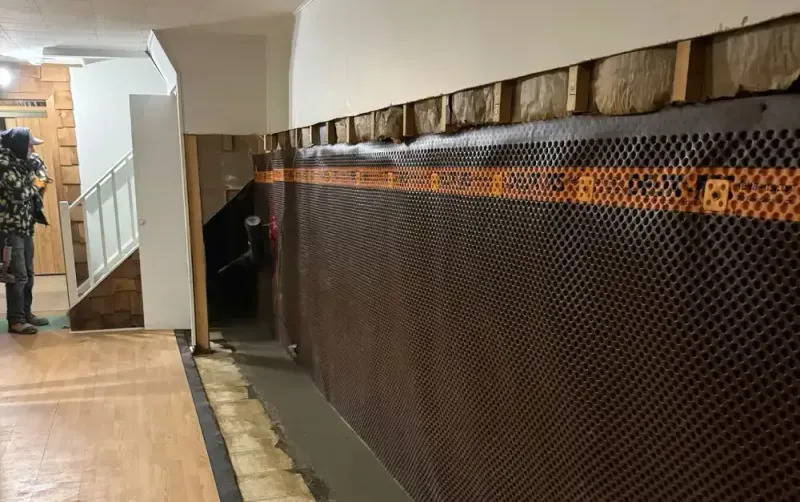
This is where professional waterproofing can help. Companies such as 4 Waterproofing Less inspect the source of the problem and recommend solutions that fit the condition of the property. Depending on the situation, repairs may involve foundation crack repair, drainage improvements, or exterior waterproofing work.
Even after preparing your home, keep an eye out for changes inside the basement.
Common signs include:
Catching these problems early often means a smaller repair bill and less disruption to your home.
Snow melts and freezing temperatures create pressure around the foundation, allowing water to enter through weak spots.
At least twice a year, especially before winter begins.
Yes. Small cracks can become larger during freeze-thaw cycles and eventually lead to leaks.
Yes. Keeping snow away from the foundation reduces the amount of water that collects beside the home.
If you notice recurring leaks, damp basement walls, or growing cracks, it is a good idea to have the problem inspected by a professional.


Think waterproofing is only needed when you see water? Learn why this belief can lead to costly damage. Discover how proactive measures protect your GTA home from hidden moisture issues.
Think waterproofing is only needed when you see water? Learn why this belief can lead to costly damage. Discover how proactive measures protect your GTA home from hidden moisture issues.
Think waterproofing is only needed when you see water? Learn why this belief can lead to costly damage. Discover how proactive measures protect your GTA home from hidden moisture issues.