How to Protect Exterior Foundation Walls From Water
Think waterproofing is only needed when you see water? Learn why this belief can lead to costly damage. Discover how proactive measures protect your GTA home from hidden moisture issues.
Basement leaks usually start quietly. You may see a small damp patch, a musty smell, or a thin line of water near the wall after rain. In Toronto and the GTA, this happens often because soil around homes holds water from rain, snow, and melting ice. Once that water presses against the foundation, it looks for cracks and weak spots. Exterior Basement Waterproofing In Toronto & GTA helps stop this problem from the outside, before water reaches your basement and damages the home.
Homes in Toronto, Mississauga, Brampton, Scarborough, Etobicoke, Vaughan, Markham, and nearby areas deal with changing weather throughout the year. In winter, snow sits around the house. In spring, it melts and soaks the soil. During heavy rain, water collects near the foundation if the yard does not drain well.
This constant moisture creates pressure against basement walls. If the foundation has cracks, old waterproof coating, or poor drainage, water can enter the basement. Older homes face this problem more often because the original waterproofing may no longer work as it should.
Common reasons for basement leaks include:
A small leak may not look serious, but it can grow quickly during heavy rain.
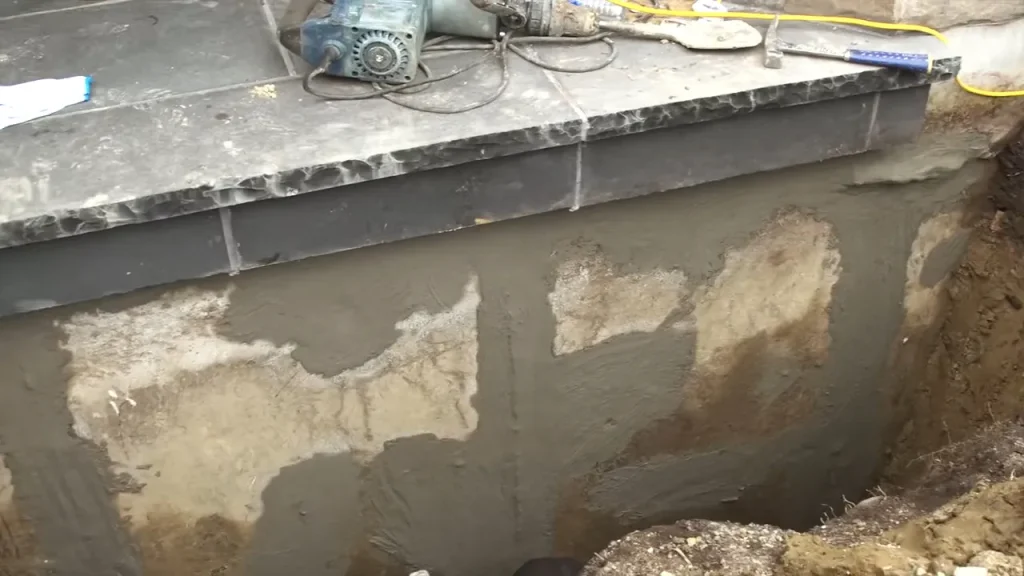
Exterior basement waterproofing means fixing the problem from outside the foundation. The soil around the wall is dug out, the foundation is cleaned, cracks are repaired, and a waterproof barrier is added. A drainage system is also installed or repaired so water can move away from the house.
This method works well because it keeps water away from the basement wall. It does not just cover the problem from inside. It deals with the place where water pressure begins.
For homeowners who keep dealing with wet walls, damp floors, or repeated basement leaks, exterior waterproofing is often the better choice.
Many basement water problems show warning signs before a major leak happens. You should not ignore them.
Look for these signs:
A musty smell is one of the most common signs. Even when you do not see water, moisture may already be entering through the wall.
A good exterior waterproofing job needs careful work. Each step helps keep the basement dry.
The contractor first checks the basement and the outside area. They look for cracks, soft soil, low spots in the yard, blocked drains, and water marks inside the basement.
The soil is removed along the leaking wall or around the full foundation if needed. This gives access to the outside basement wall.
The foundation wall is cleaned so the repair material can stick properly. Loose concrete, dirt, and old coating are removed.
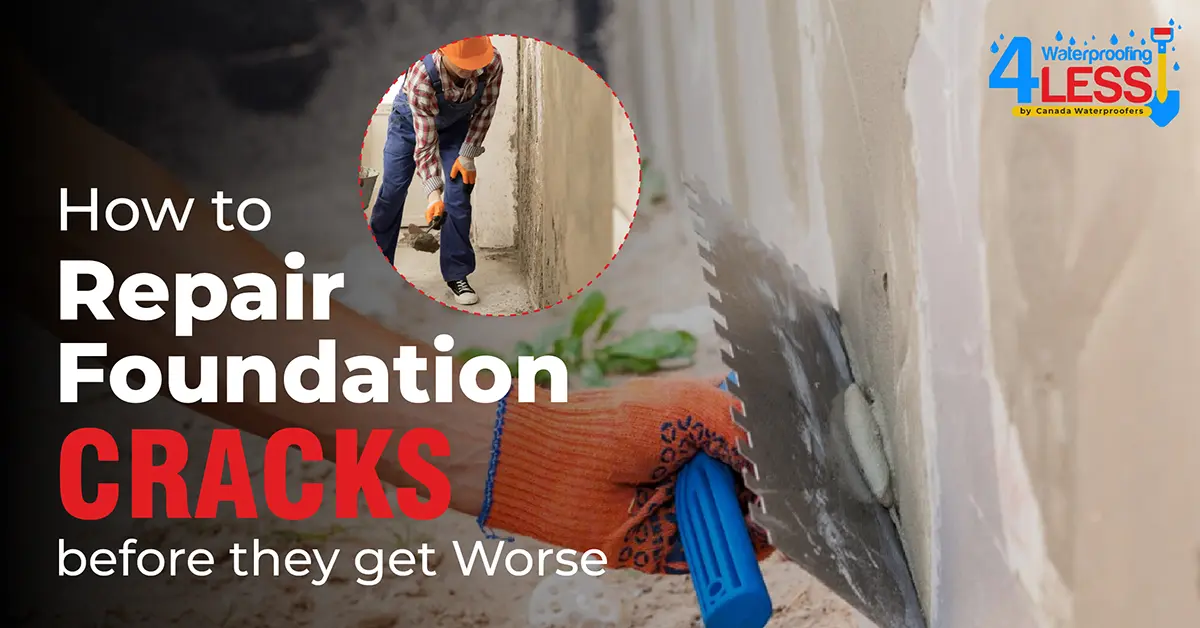
Cracks and gaps are repaired before the waterproof layer goes on. This step is important because water often enters through small cracks.
A waterproof membrane is applied to the outside wall. This creates a barrier between the foundation and wet soil.
A drainage board and weeping tile help move water away from the wall. This lowers pressure around the foundation and helps prevent future leaks.
After the work is complete, the soil is placed back. The area is cleaned and restored as neatly as possible.
Interior waterproofing may help control water after it enters the basement, but exterior waterproofing stops it before it comes in. That is the main difference.
When water keeps pressing against the outside wall, inside repairs may only offer short-term relief. Exterior work protects the wall from the wet side, where the problem starts.
This makes it a strong option for homes with:
Exterior waterproofing gives your home better protection and helps avoid bigger repair bills.
Keeps the Basement Dry
A dry basement is easier to use for storage, laundry, office space, or living space.
Helps Stop Mould Growth
Mold needs moisture to grow. Keeping water out helps reduce that risk.
Protects Flooring and Walls
Water can ruin carpet, laminate, drywall, trim, and insulation. Waterproofing helps protect finished basements.
Reduces Foundation Pressure
Good drainage moves water away from the foundation and reduces stress on the wall.
Helps Home Value
Buyers feel more confident when a basement has proper waterproofing and no water damage history.
Toronto and GTA homes are not all the same. Some areas have clay soil that holds water for a long time. Some neighbourhoods have older houses with aging foundations. Some properties sit lower than nearby yards, so rainwater flows toward the home.
That is why local experience matters. A contractor who understands basement leaks in Toronto and the GTA can inspect the real cause and suggest the right repair. 4 Waterproofing Less works with local homes and knows how rain, snowmelt, soil pressure, and drainage issues affect foundations in this region.
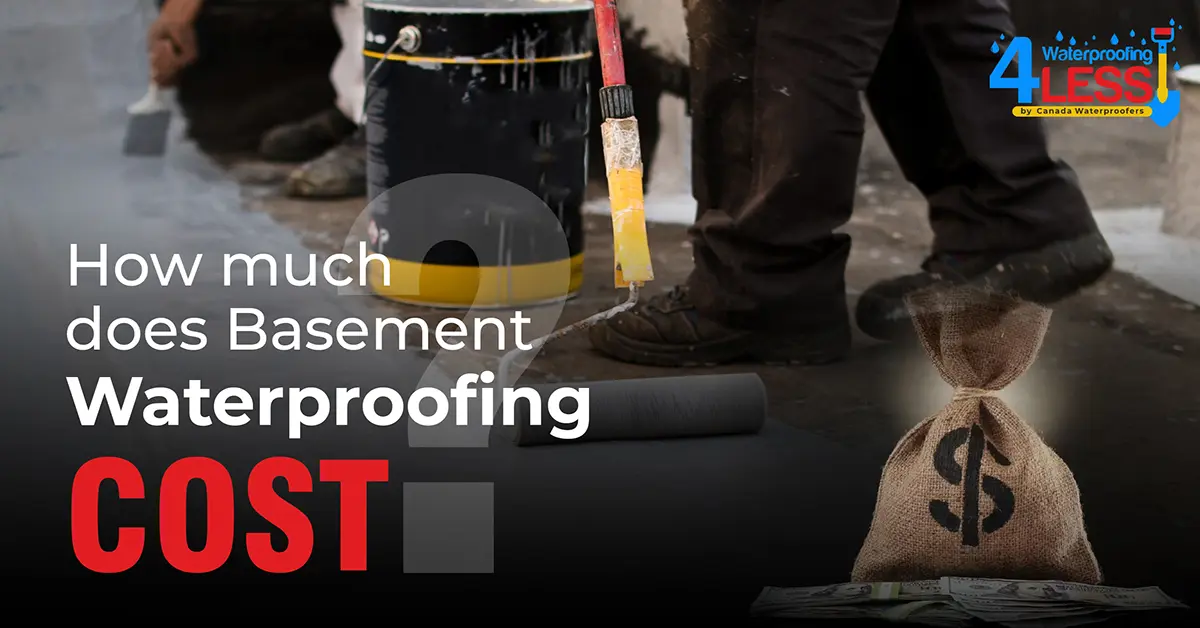
The price depends on the size of the job and the condition of the foundation. A small wall section usually costs less than full foundation waterproofing.
Cost may depend on:
A proper inspection gives a clear price and explains what work your home needs.
After waterproofing, regular care helps protect the basement.
Helpful steps include:
These small habits can help your waterproofing system last longer.
It is a process where the outside foundation wall is repaired, sealed, and protected from water.
Yes. Many older homes need it because their original waterproofing has worn out.
Damp walls, musty smells, water stains, cracks, and puddles after rain are common signs.
Yes, it helps stop leaks by blocking water before it reaches the basement wall.
With proper work and basic maintenance, it can protect the basement for many years.


Think waterproofing is only needed when you see water? Learn why this belief can lead to costly damage. Discover how proactive measures protect your GTA home from hidden moisture issues.
Think waterproofing is only needed when you see water? Learn why this belief can lead to costly damage. Discover how proactive measures protect your GTA home from hidden moisture issues.
Think waterproofing is only needed when you see water? Learn why this belief can lead to costly damage. Discover how proactive measures protect your GTA home from hidden moisture issues.