
If you’ve ever walked into your basement after a heavy rain and found a damp spot on the wall, your first thought was probably, “There must be a crack somewhere.” Sometimes that’s true. But in many GTA homes, the story starts outside, in the ground around the house.
The soil sitting against your foundation does more than most people realize. It can hold water, move when the weather changes, and put pressure on basement walls. Over time, that pressure can lead to leaks, cracks, and moisture problems.
The Ground Around Your Home Matters More Than You Think
Not all soil behaves the same way. One street can have completely different ground conditions from the next.
Clay soil is common in many parts of the GTA. It holds water for a long time. After a heavy rain, it swells and presses against the foundation. When the weather turns dry, it shrinks again. This constant movement can put stress on basement walls year after year.
Sandy soil is different. Water moves through it more quickly. That sounds good, but it does not guarantee a dry basement. If rainwater is collecting near the house because of poor grading or short downspouts, leaks can still happen.
Basement Waterproofing Myths That Cause Bigger Problems
Homeowners hear a lot of advice from neighbours, friends, and the internet. Unfortunately, some of it creates more trouble.
“A little crack isn’t a big deal.”
Small cracks have a way of becoming larger over time. Water usually needs only a tiny opening to find its way inside.
“Waterproof paint will solve the problem.”
Paint can cover stains, but it does not stop water from pushing against the foundation from the outside.
“New houses don’t get basement leaks.”
A newer home can leak just as easily if drainage around the property is poor.
“Every basement problem can be fixed from the inside.”
Not always. Sometimes the real issue is outside the foundation and needs to be addressed there.
Choosing Waterproofing That Matches the Soil
This is where many repairs go wrong. The same solution is used on every house, even though every property is different.
A home sitting in heavy clay soil may need:
- Exterior waterproofing membrane
- Weeping tile replacement
- Better yard grading
- Improved drainage around the foundation
A home built on sandy soil may benefit from:
- Sump pump installation
- Window well drainage
- Downspout extensions
- Foundation crack repair
The right answer depends on how water moves around your property.
Signs the Soil May Be Causing Basement Leaks
Some clues are easy to miss at first.
- A musty smell after rain
- Water stains on basement walls
- White marks on concrete
- Cracks near windows or corners
- Wet spots along the floor
- Water collecting beside the house
- Soil sinking near the foundation
These signs often point to a drainage issue outside the home rather than a problem inside the basement itself.
Why Quick Repairs Often Don’t Last
A tube of sealant and a coat of paint may seem like an easy fix. Sometimes they even work for a few months.
Then another heavy rain comes, and the water is back.
That’s because the pressure outside the wall never changed. The soil is still holding water, and that water is still looking for a way inside.
A Good Waterproofing Plan Starts Outside
Before choosing any repair, it’s worth taking a closer look at the property.
Questions that matter include:
- Does water pool near the foundation?
- Are the downspouts draining too close to the house?
- What type of soil surrounds the property?
- Is the yard sloping toward the home?
- Are there signs of movement around the foundation?
Companies such as 4 Waterproofing Less look at these details first because the source of the problem matters more than the stain on the wall.
Final Thoughts
A basement leak is not always about a crack in concrete. Quite often, the ground around the house is the real reason water keeps finding its way inside. Understanding your soil type can help you choose a repair that actually deals with the problem instead of covering it up.
FAQs
Does soil type really affect basement leaks?
Yes. Different soils hold and move water in different ways.
Why is clay soil hard on basements?
Because it keeps water close to the foundation and expands when wet.
Can waterproof paint stop a leak?
No. It can hide stains, but it does not stop outside water pressure.
Why does my basement leak after a storm?
Rainwater may be collecting near the foundation and entering through weak spots.
What is the first thing to check?
Look at drainage, grading, and where water goes after it rains.


Recent Blogs
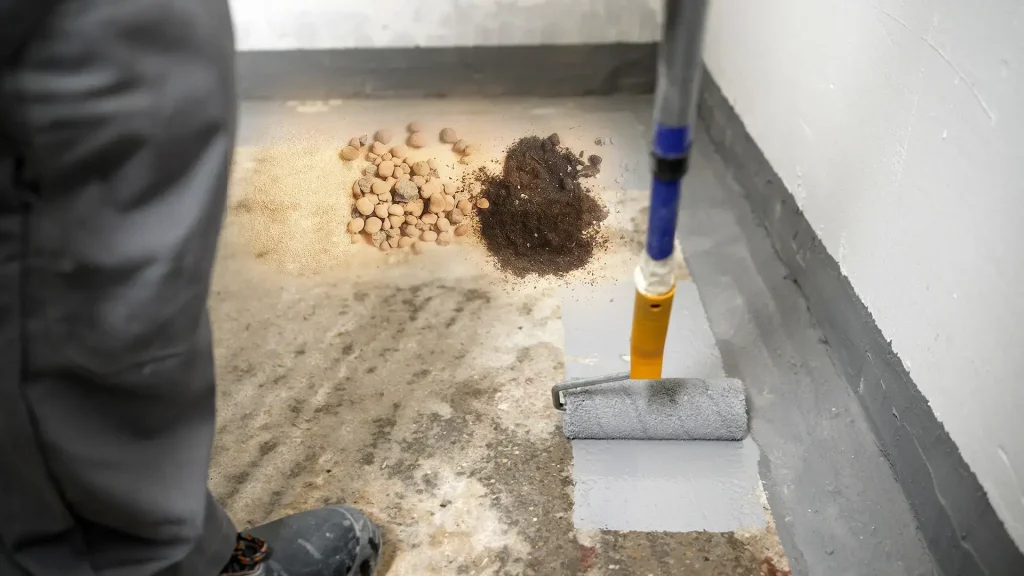
How to Protect Exterior Foundation Walls From Water
Think waterproofing is only needed when you see water? Learn why this belief can lead to costly damage. Discover how proactive measures protect your GTA home from hidden moisture issues.
How to Repair Foundation Cracks Before They Get Worse
Think waterproofing is only needed when you see water? Learn why this belief can lead to costly damage. Discover how proactive measures protect your GTA home from hidden moisture issues.
How Much Does Basement Waterproofing Cost?
Think waterproofing is only needed when you see water? Learn why this belief can lead to costly damage. Discover how proactive measures protect your GTA home from hidden moisture issues.