
How to Protect Exterior Foundation Walls From Water
Think waterproofing is only needed when you see water? Learn why this belief can lead to costly damage. Discover how proactive measures protect your GTA home from hidden moisture issues.
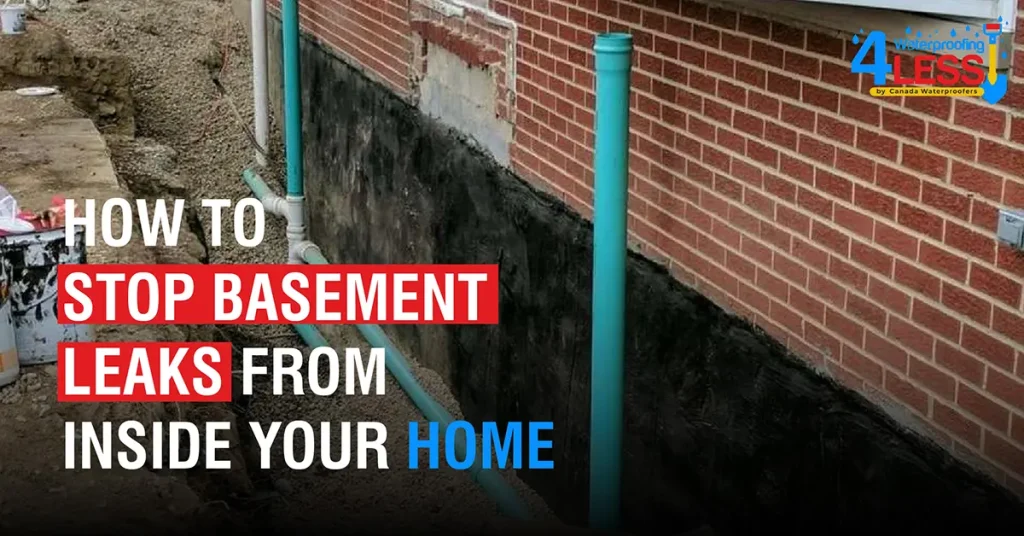
A leaking basement can damage walls, flooring, furniture, stored belongings, and electrical systems. Even a small wet patch can create musty odours and encourage mould growth. Knowing how to stop basement leaks from inside your home helps you control the problem before it becomes more expensive.
A quick repair can reduce damage, but the correct method depends on the water source, crack type, drainage condition, and pressure around the foundation. Always fix the underlying cause rather than covering stains with paint or wall panels temporarily.
Wet soil around the foundation creates pressure and pushes water through weak areas.
Common causes include:
Before repairing the inside, check whether gutters, downspouts, and ground slopes direct water away from the property.
Dry the wet area with towels or a fan. Move furniture, rugs, boxes, and stored goods away from the wall. Look for visible cracks, peeling paint, white mineral deposits, water stains, or dark damp patches.
Mark the area with chalk and check it during the next rainfall. Tape aluminium foil to the wall for 24 hours. Moisture on the front suggests condensation; moisture behind it suggests seepage.
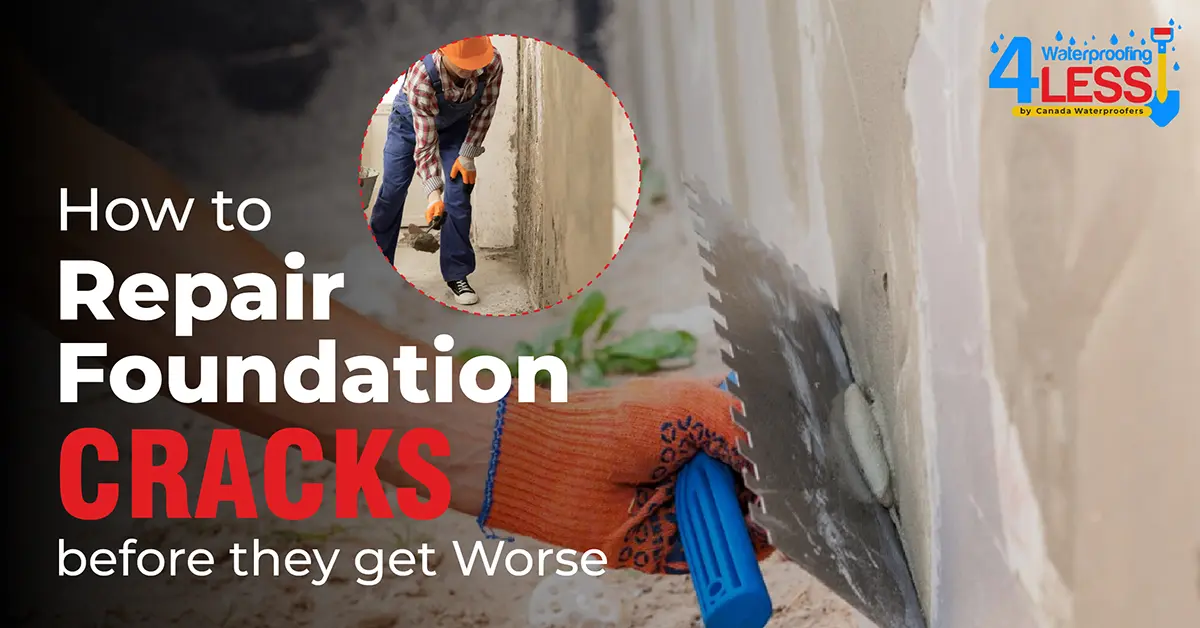
Small vertical cracks in poured concrete walls can often be repaired from inside. Use a wire brush to remove loose concrete, old paint, dust, and dirt.
Hydraulic cement works well for active seepage because it expands as it sets. For narrow, dry cracks, epoxy or polyurethane injection may provide a deeper seal.
Do not cover wide, horizontal, or growing cracks without an inspection. They may signal foundation movement.
Water often enters around pipes, electrical lines, and other wall openings.
Remove damaged material and clean the opening. Fill deep gaps with hydraulic cement. Use masonry-grade polyurethane sealant for smaller spaces. Avoid standard indoor caulk because it may not handle constant moisture or pressure from wet soil.
The joint where the wall meets the basement floor is a common leak area. Water beneath the slab can rise and enter through this narrow gap during heavy rain.
A small isolated leak may respond to hydraulic cement. Water appearing along several sections usually needs an interior perimeter drain.
A company such as 4 Waterproofing Less can inspect the basement and suggest an interior repair based on the source and severity of the leak.
Waterproof masonry coating can reduce light moisture passing through concrete or block walls. Apply it only to a clean, bare surface.
Remove peeling paint, dirt, mould, and mineral deposits before coating.
This coating may help with mild dampness, but it cannot repair structural cracks or stop strong water pressure.
An interior French drain or perimeter drainage system works well for basements that leak repeatedly during storms or snowmelt.
The installer places a perforated drain in a floor-edge channel. Water then moves toward the sump pump.
A reliable system should include:
Interior drainage systems do not prevent water from reaching the foundation. Instead, they collect and control it before it spreads across the basement floor.
Test the sump pump before the rainy season. Pour water into the basin until the float rises. The pump should start, remove the water, and switch off correctly.
Check the discharge line for blockages or damage. Replace the pump if it runs continuously or fails to remove water quickly.
The discharge pipe should release water several feet away from the house. Water discharged too close to the foundation may flow back into the basement.
Not every damp wall comes from an outside leak. Warm indoor air can create condensation when it touches cold basement walls or pipes.
Run a dehumidifier and keep humidity below 60 percent. Insulate cold-water pipes, repair plumbing leaks, and vent laundry or bathroom moisture outside.
Avoid storing cardboard boxes directly on the basement floor. Use raised plastic shelving or waterproof containers to protect belongings from moisture.
Interior repairs work better when the outside drainage system also functions correctly. Clean gutters regularly and extend downspouts away from the house.
The soil around the property should slope away from the foundation. Low areas beside basement walls can collect rainwater and increase pressure against the concrete.
Check basement window wells for leaves, dirt, and standing water. Install clear window well covers to prevent rain and debris from collecting inside.
Call a basement waterproofing contractor if water keeps returning, cracks expand, walls bow inward, or the sump pump cannot manage the flow. Get immediate help if water reaches electrical outlets or floods finished living space.
A professional inspection helps you choose a lasting repair instead of repeatedly covering the same leak.
Yes. Small cracks and gaps can often be sealed from inside. Frequent leaks may need a drainage system.
Hydraulic cement, epoxy, and polyurethane injection are common choices.
It may control light seepage, but it cannot stop major cracks or heavy water pressure.
Rain saturates the soil and forces water through weak points in the foundation.
Yes, when it is correctly sized, maintained, and connected to a clear discharge line.


Think waterproofing is only needed when you see water? Learn why this belief can lead to costly damage. Discover how proactive measures protect your GTA home from hidden moisture issues.
Think waterproofing is only needed when you see water? Learn why this belief can lead to costly damage. Discover how proactive measures protect your GTA home from hidden moisture issues.
Think waterproofing is only needed when you see water? Learn why this belief can lead to costly damage. Discover how proactive measures protect your GTA home from hidden moisture issues.