How to Protect Exterior Foundation Walls From Water
Think waterproofing is only needed when you see water? Learn why this belief can lead to costly damage. Discover how proactive measures protect your GTA home from hidden moisture issues.
A wet basement can become a costly problem. A small damp patch may quickly lead to peeling paint, damaged flooring, mold, bad odours. Water can also affect the foundation.
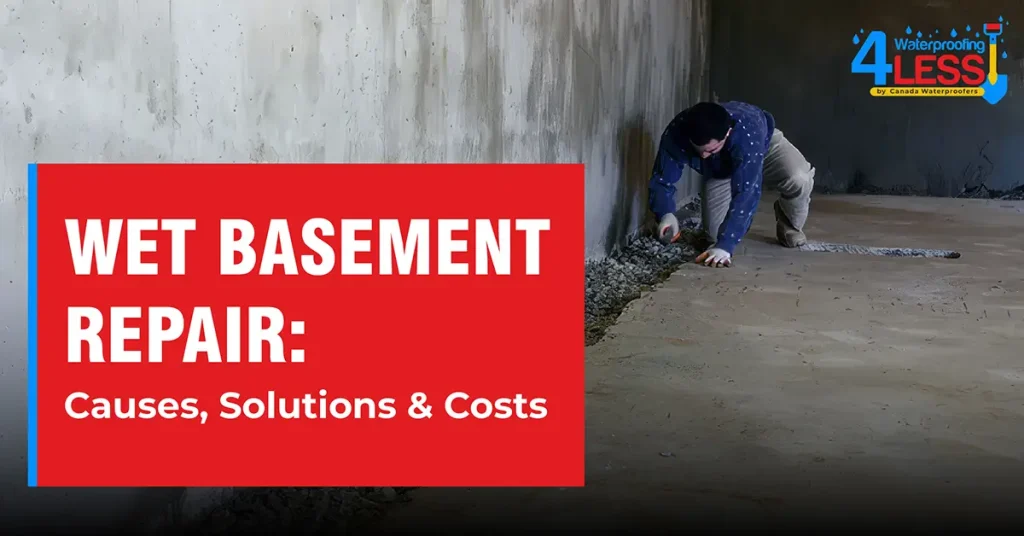
Understanding Wet Basement Repair: Causes, Solutions & Costs helps you choose the right fix instead of hiding the signs. The first step is finding where the water comes from. Once you know the source, you can select a repair that protects the basement.
Basement water problems do not always begin with flooding.
Look for:
The right repair depends on the cause. Water can enter through cracks, windows, floor joints, drains, or porous concrete.
Poor Grading and Drainage
The soil around the foundation should slope away from the house. When the ground slopes inward, rainwater collects beside basement walls. Over time, pressure pushes water through weak areas in the foundation.
Blocked gutters and short downspouts create a similar problem. Extend downspouts away from the house.
Foundation Cracks
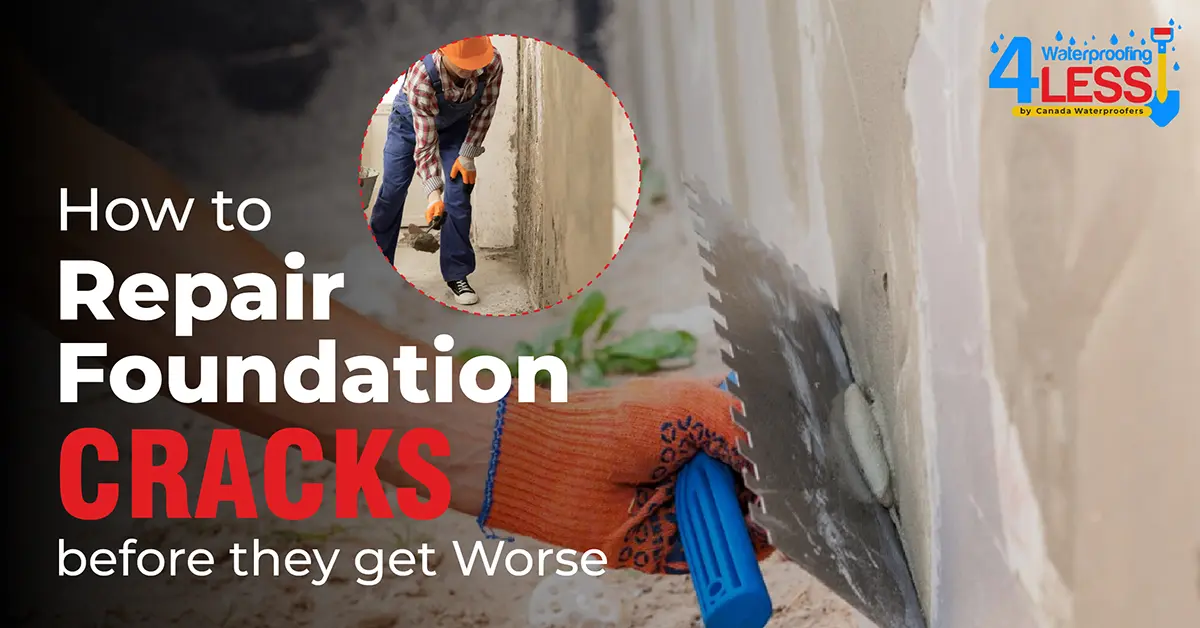
Concrete can crack because of settling, soil movement, temperature changes, or pressure from outside. Even a narrow crack may allow water into the basement.
Vertical cracks are common and often repairable. Horizontal cracks may point to stronger pressure against the wall and should be checked quickly.
Hydrostatic Pressure
After long periods of rain, water builds up in the soil around and below the foundation. This pressure can force moisture through the basement floor, concrete pores, or the joint where the wall meets the floor.
Homes with clay soil or a high water table often face this problem.
Damaged Foundation Drain
Many homes have drainage pipes near the footing. These pipes collect groundwater and move it away from the property. If the system becomes blocked, crushed, or filled with soil, water may gather around the foundation and enter the basement.
Plumbing Leaks
Not every wet basement starts outside. A leaking pipe, washing machine, water heater, sink, or toilet can also create dampness. Check plumbing before starting major waterproofing work.
Different causes need different repairs. A small crack may need sealing, while repeated flooding may require drainage work and a sump pump.
Crack Injection
Contractors often use polyurethane or epoxy to seal foundation cracks. Polyurethane expands and works well for active leaks. Epoxy creates a hard bond and may help where extra strength is needed.
Interior Drainage System
An interior drainage system collects water along the basement floor and carries it to a sump pump. The contractor removes a narrow strip of concrete, installs drainage pipe, and covers the area again.
This method works well when water enters through the wall and floor joint. A company such as 4 Waterproofing Less may inspect the basement before suggesting crack repair, interior drainage, or exterior work.
Exterior waterproofing stops water before it reaches the foundation wall. The work may include:
This method costs more because it needs excavation, labour, and landscape repair.
Sump Pump Installation
A sump pump collects water in a pit and sends it away from the house. It is useful for homes with regular groundwater problems. A battery backup can keep the pump running during a power cut.
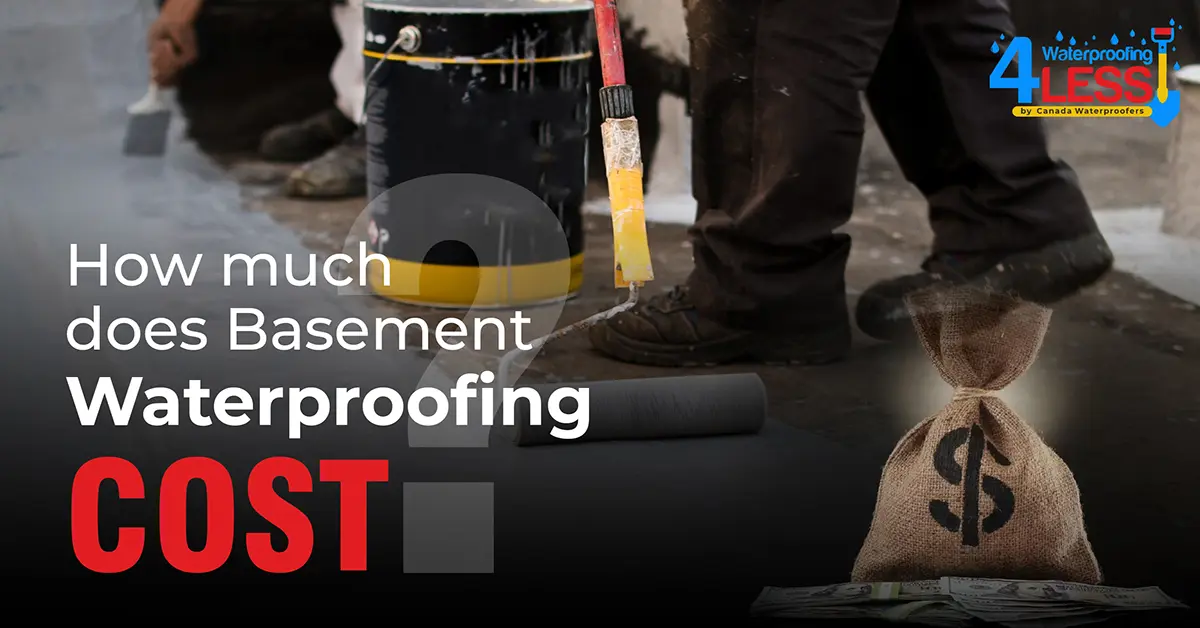
Repair costs depend on the basement size, leak location, repair method, labour, and foundation condition.
Main cost factors include:
A small crack repair may cost a few hundred dollars. An interior drainage system or sump pump may cost several thousand dollars. Full exterior waterproofing costs more because of digging and restoration work.
Ask for a written estimate that explains the cause, repair method, materials, warranty, and extra charges.
Yes. Crack injection, interior drainage, and sump pumps can solve many basement water problems.
No. Paint may help with light dampness, but it cannot stop cracks, groundwater pressure, or drainage failure.
Yes. Mould can grow on drywall, wood, fabric, insulation, and cardboard when moisture remains.
A properly installed system can last for many years, depending on the method, materials, and maintenance.
Yes. Small leaks often grow and cause more damage when left untreated.


Think waterproofing is only needed when you see water? Learn why this belief can lead to costly damage. Discover how proactive measures protect your GTA home from hidden moisture issues.
Think waterproofing is only needed when you see water? Learn why this belief can lead to costly damage. Discover how proactive measures protect your GTA home from hidden moisture issues.
Think waterproofing is only needed when you see water? Learn why this belief can lead to costly damage. Discover how proactive measures protect your GTA home from hidden moisture issues.