How to Protect Exterior Foundation Walls From Water
Think waterproofing is only needed when you see water? Learn why this belief can lead to costly damage. Discover how proactive measures protect your GTA home from hidden moisture issues.
A wet basement can be confusing, especially when there is no broken pipe, open window, or obvious crack. In many homes, the water comes from the soil around the foundation. After heavy rain or snowmelt, the ground becomes soaked. When the water cannot drain away, it starts pressing against the basement walls and floor.
That pressure is called hydrostatic pressure.
So, What Is Hydrostatic Pressure in Waterproofing? It is the force created by groundwater as it builds up around a foundation. The stronger the pressure becomes, the easier it is for water to enter through cracks, joints, gaps, and porous concrete.
This is why a basement can leak even when the walls look solid.
The soil around a home holds a certain amount of water. During normal weather, much of that water drains deeper into the ground or moves away from the property. Problems begin when the soil receives more water than it can handle.
Long rain, fast snowmelt, poor yard drainage, and blocked gutters can soak the ground quickly. Once the soil becomes saturated, the extra water has nowhere to go. It then pushes against the foundation.
The pressure may build around the walls, below the basement floor, or in both places.
Homes face a higher risk when:
Even a small drainage issue can become a serious basement problem when it continues for months or years.
Concrete feels hard, but it is not completely waterproof. It contains tiny pores that allow moisture to pass through under pressure.
Water also looks for weak areas. These may include wall cracks, floor cracks, pipe openings, basement windows, old repair patches, and the joint where the wall meets the floor.
The wall-floor joint is a common trouble spot. When water rises below the basement slab, it can push through this narrow gap and leave a wet line around the edge of the floor.
Some homeowners apply waterproof paint to cover the damp area. This may hide the marks for a while, but it does not stop the water outside. If the pressure remains, the paint may bubble, peel, or crack.
Hydrostatic pressure does not always cause sudden flooding. It may start with small signs that are easy to ignore.
Wet Floor Edges
Water around the outside edge of the basement floor often means groundwater is moving through the wall-floor joint.
Damp Marks on Walls
Dark patches on concrete may appear after rain and fade during dry weather. This usually means moisture is passing through the wall.
White Powder on Concrete
White, chalky marks are called efflorescence. They form when water travels through concrete and leaves mineral deposits behind.
Peeling Paint or Plaster
Moisture trapped behind paint, plaster, drywall, or insulation can damage the surface. Repainting the area will not solve the cause.
Musty Smell
A stale or damp smell often points to hidden moisture. Water may be sitting behind finished walls, under flooring, or inside stored items.
Foundation Cracks
Cracks can give water an easy entry point. Horizontal cracks need quick attention because they may also show that the wall is under pressure.
Several property issues can lead to water pressure around the basement.
Poor Ground Slope
The ground should slope away from the house. When it slopes inward, rainwater runs towards the foundation and collects beside the walls.
Short Downspouts
A roof can collect a large amount of rainwater. When downspouts release it near the house, the soil becomes soaked very quickly.
Clogged Gutters
Leaves, dirt, and debris can block the gutters. Water then spills over the side and falls beside the foundation.
Damaged Drain Tiles
Drain tiles move water away from the foundation. Older systems may crack, collapse, or become blocked with soil and roots.
High Groundwater Level
Some homes are built in areas where groundwater sits close to the basement floor. During wet weather, the water level may rise and increase pressure under the slab.
Clay Soil
Clay absorbs water and drains slowly. It can stay wet long after the rain stops, which keeps pressure against the foundation.
The right repair depends on the source of the water. A contractor should inspect the property before recommending any waterproofing work.
Direct Roof Water Away
Gutters should stay clean, and downspouts should carry water well away from the house. Water should not collect near basement walls.
Fix the Yard Slope
Low areas near the foundation should be filled. The surface should guide rainwater away from the property.
Install an Interior Drain
An interior drainage channel collects water around the basement perimeter and sends it to a sump pit.
Use a Sump Pump
A sump pump removes groundwater before it reaches the basement floor. The discharge line should send water far enough away so it does not return.
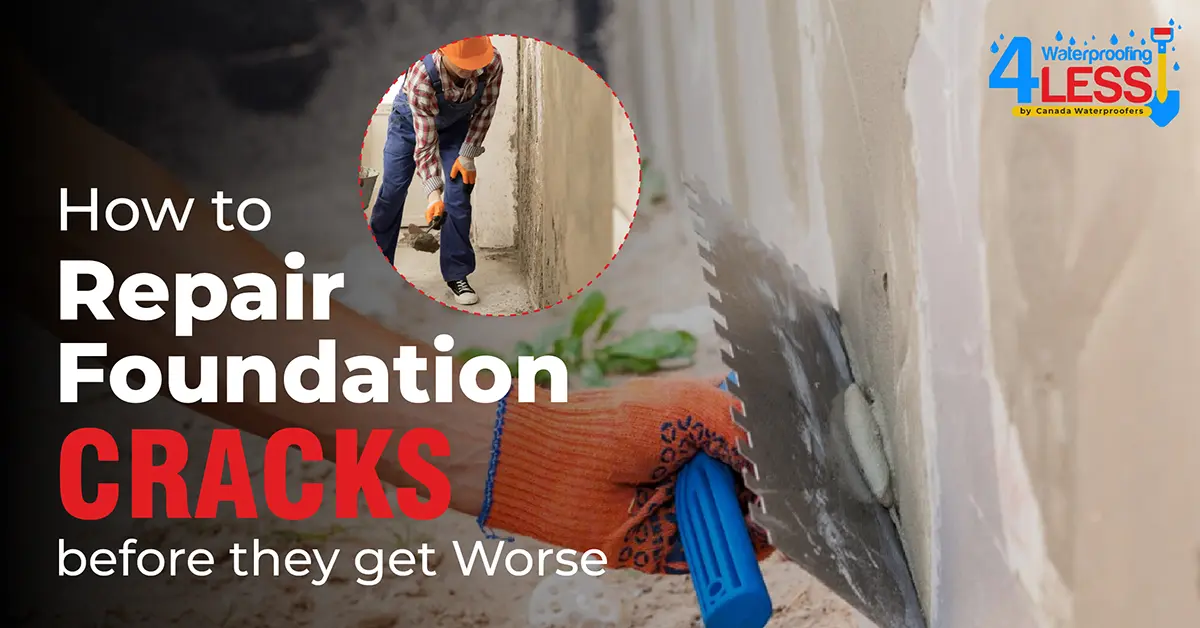
Repair Foundation Cracks
Crack injection can stop water from entering through a damaged area. The repair material depends on the crack type, size, and location.
Waterproof the Outside Wall
Exterior waterproofing involves digging around the foundation, repairing the wall, adding a waterproof membrane, and improving drainage.
A waterproofing company such as 4 Waterproofing Less can check the basement, grading, sump pump, cracks, and drainage before suggesting the right repair.
The wet patch inside the basement may not be the place where the water entered. Moisture can travel behind walls or along foundation joints.
A proper inspection should include:
Finding the real source helps avoid repairs that only cover the problem for a short time.
It is the force created when groundwater builds up and pushes against basement walls and floors.
Yes. Water can enter through cracks, joints, gaps, and porous concrete.
No. Paint may cover damp marks, but it does not remove groundwater pressure.
Yes. A sump pump removes water from below the basement and helps reduce pressure.
Call a contractor when leaks return after rain, cracks grow, walls stay damp, or the basement smells musty.



Think waterproofing is only needed when you see water? Learn why this belief can lead to costly damage. Discover how proactive measures protect your GTA home from hidden moisture issues.
Think waterproofing is only needed when you see water? Learn why this belief can lead to costly damage. Discover how proactive measures protect your GTA home from hidden moisture issues.
Think waterproofing is only needed when you see water? Learn why this belief can lead to costly damage. Discover how proactive measures protect your GTA home from hidden moisture issues.